CrowdStreet Real Estate: Complete Guide to Benefits, Examples, and Real-World Insights
CrowdStreet Real Estate is an innovative investment platform that allows individuals to participate in commercial real estate opportunities traditionally reserved for institutional investors. Through its online marketplace, accredited investors can access a variety of projects, ranging from office complexes to multifamily housing developments.
This model of investing represents a shift in the way people think about property ownership and wealth-building. Instead of requiring millions of dollars to enter the commercial property market, CrowdStreet real estate offers fractional investment opportunities, allowing more people to diversify their portfolios and tap into the potential of large-scale projects.
The Evolution of Real Estate Crowdfunding
Real estate crowdfunding platforms like CrowdStreet have emerged from a need to democratize access to commercial property investment. Traditionally, these deals were closed networks, accessible only through personal connections or large firms. The introduction of digital platforms has opened the door to transparency, broader participation, and simplified access.
CrowdStreet stands out by focusing exclusively on commercial real estate. This allows investors to explore opportunities in sectors like industrial facilities, healthcare properties, and mixed-use developments. With technology at its core, the platform simplifies due diligence, property management updates, and performance tracking.
Real-World Examples of CrowdStreet Real Estate Projects

Example 1: Multifamily Apartment Complex in Urban Centers
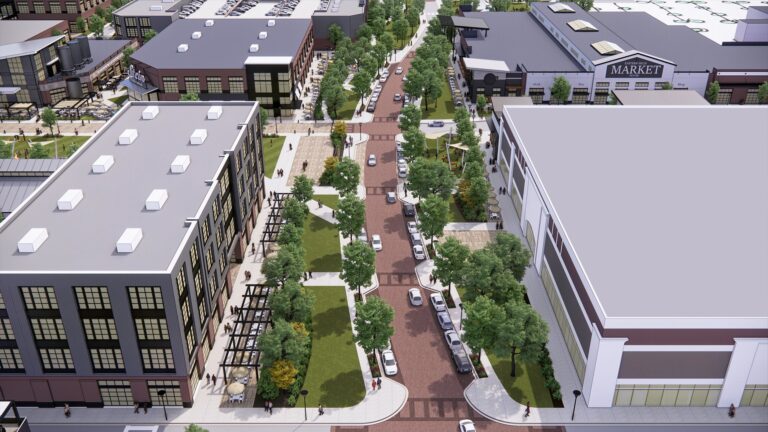
One of the common types of projects available on CrowdStreet is multifamily apartment complexes located in fast-growing metropolitan areas. These developments are attractive because of the steady demand for rental housing, especially in cities where homeownership is costly.
Through the platform, investors can view detailed project information, including developer background, financial projections, and local market data. By pooling resources, they gain access to high-value projects that would otherwise be unattainable individually. This demonstrates how CrowdStreet transforms traditional real estate into a more inclusive investment option.
Example 2: Office Redevelopment Projects
Another category frequently seen on CrowdStreet involves office space redevelopments. With the shift in workplace dynamics and the rise of hybrid work, many older office buildings are being repositioned into modern, flexible spaces.
Investors benefit from opportunities to participate in projects that align with current trends. Redevelopments often focus on upgrading energy efficiency, improving tenant amenities, and creating collaborative environments. Such projects illustrate CrowdStreet’s ability to connect investors with market-responsive real estate opportunities.
Example 3: Industrial Warehousing and Logistics Facilities
The rise of e-commerce has fueled the demand for warehousing and logistics centers. CrowdStreet regularly features projects focused on industrial real estate, which is now one of the strongest performing asset classes.
Investing in these properties can provide long-term stability due to the consistent need for distribution hubs. These facilities often attract blue-chip tenants like retailers and logistics companies. Through CrowdStreet, investors gain exposure to this growing sector without needing direct ownership or management responsibilities.
Example 4: Healthcare and Senior Living Developments
Healthcare real estate is another sector growing rapidly on CrowdStreet. Examples include medical office buildings, outpatient facilities, and senior living communities. These projects often carry lower vacancy risks because healthcare services are considered essential.
By participating in healthcare developments, investors align themselves with long-term demographic trends, particularly aging populations that increase demand for senior living and medical services. This type of project highlights the platform’s ability to connect socially relevant investment opportunities with capital.
Benefits of Using CrowdStreet Real Estate

One of the primary benefits of CrowdStreet is access. Investors gain the ability to explore deals that were once limited to private networks. This creates new pathways for wealth-building and diversification.
Technology enhances this experience by providing transparent project details, financial forecasts, and ongoing performance updates. Investors no longer need to rely on opaque reports or word-of-mouth connections. Instead, the platform integrates modern digital tools to simplify research and monitoring.
Another major advantage is portfolio diversification. Rather than concentrating wealth in a single property, investors can spread smaller amounts across multiple projects, balancing risk and return. For many, this makes real estate a more approachable asset class.
Practical Use Cases of CrowdStreet Real Estate

Expanding Investment Portfolios Beyond Stocks and Bonds
For investors heavily concentrated in traditional markets, CrowdStreet provides an entry point into commercial property without requiring direct management. This diversification can reduce risk exposure to market volatility.
Gaining Access to Institutional-Grade Projects
Many individuals aspire to invest in large commercial projects but lack the capital or connections. CrowdStreet bridges this gap, enabling smaller investors to join opportunities alongside established developers.
Passive Income Through Rental Yields
Since many projects involve income-generating properties, investors can earn distributions from rental yields. This creates a stream of passive income that complements other investment strategies.
Participating in Economic Trends
From the e-commerce boom fueling logistics centers to demographic shifts increasing healthcare needs, CrowdStreet allows investors to align their capital with major macroeconomic movements. This practical use ensures relevance and future growth potential.
Frequently Asked Questions
Is CrowdStreet real estate suitable for beginners?
CrowdStreet primarily serves accredited investors, so it may not be suitable for absolute beginners. However, for those with prior investment experience, it provides a structured, transparent way to enter the commercial real estate market.
What types of properties are available on CrowdStreet?
The platform features a wide range of projects, including multifamily apartments, office redevelopments, industrial warehouses, and healthcare facilities. Each listing includes in-depth details about the project and developer.
How does technology improve the CrowdStreet experience?
Technology streamlines research, communication, and monitoring. Investors receive digital access to offering memorandums, performance dashboards, and project updates, making the process far more efficient than traditional methods.