Office Space Investment: Comprehensive Guide with Benefits, Examples, and Practical Insights
Office space investment refers to the acquisition, ownership, or partnership in commercial office properties with the intent to generate income or capital appreciation. Unlike residential property, which is often driven by personal needs, office space investment is primarily a business decision influenced by economic activity, urbanization, and corporate demand for workspace.
This sector of commercial real estate has historically been seen as a stable long-term asset class. Companies require office environments to operate, collaborate, and manage daily functions. As such, investing in office spaces allows investors to tap into recurring rental income streams while benefiting from the appreciation of well-located properties.
The Importance of Office Space in the Modern Economy
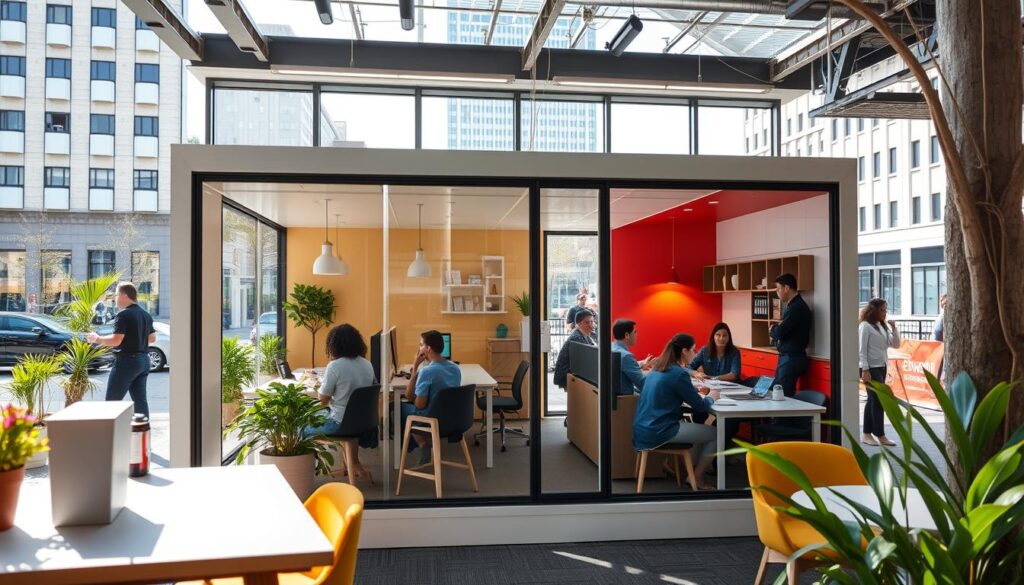
Despite the rise of remote work, office space continues to be a cornerstone of global business operations. Many organizations now use hybrid work models, combining digital collaboration with physical presence, which still sustains the demand for office infrastructure.
Well-designed and strategically located office spaces attract high-quality tenants who often commit to long leases. This makes office space investment appealing for investors who value predictable cash flow and reduced tenant turnover. Moreover, the modernization of workplaces with technology and sustainability features enhances the long-term resilience of this asset class.
Real-World Examples of Office Space Investment Projects
Example 1: Premium Office Towers in Financial Districts
A classic example of office space investment is high-rise office towers located in major financial districts. These properties often house multinational corporations, financial firms, and professional service providers. Investors in such buildings benefit from premium rental yields due to prime locations and high tenant demand.
These office towers also become landmarks within cities, often commanding above-average appreciation over time. The consistent demand for prestigious office addresses ensures that investors maintain strong occupancy rates even during economic fluctuations.
Example 2: Flexible Co-Working Office Developments
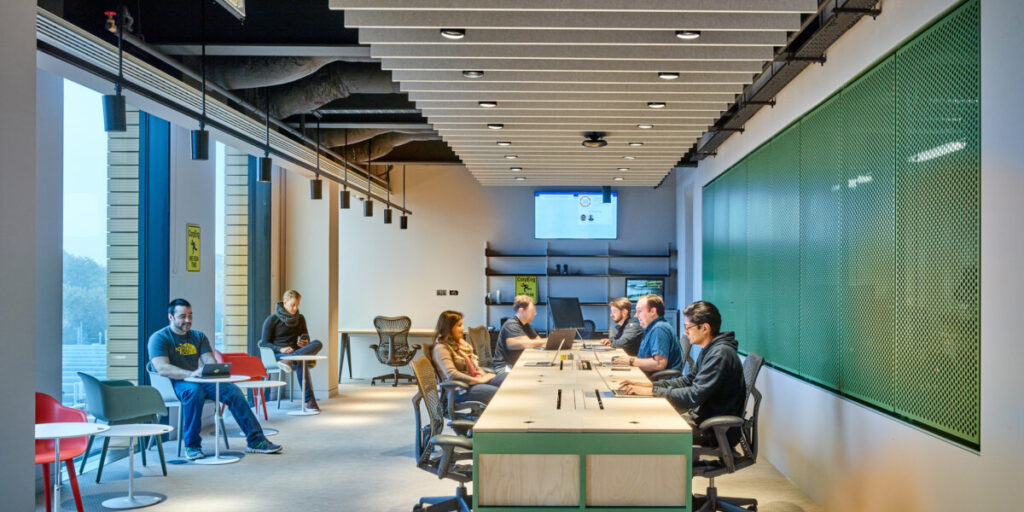
The emergence of co-working spaces has redefined office space investment. Investors who partner with or develop flexible office facilities cater to startups, freelancers, and small businesses seeking professional work environments without the burden of long-term leases.
These spaces are particularly relevant in metropolitan hubs where affordability and adaptability are key. Investing in co-working properties enables exposure to the growing gig economy while capitalizing on evolving tenant preferences. This segment continues to thrive as companies prioritize collaboration and shared resources.
Example 3: Redeveloped Industrial-to-Office Conversions
Another compelling example is the transformation of old industrial warehouses into modern office spaces. These redevelopment projects are common in urban areas where land is scarce, and there is demand for creative, open-plan work environments.
Converted properties attract tenants in technology, design, and creative industries who value unique architectural features and flexible layouts. For investors, these projects often yield higher returns due to lower initial acquisition costs and increased demand for distinctive office settings.
Example 4: Suburban Office Parks
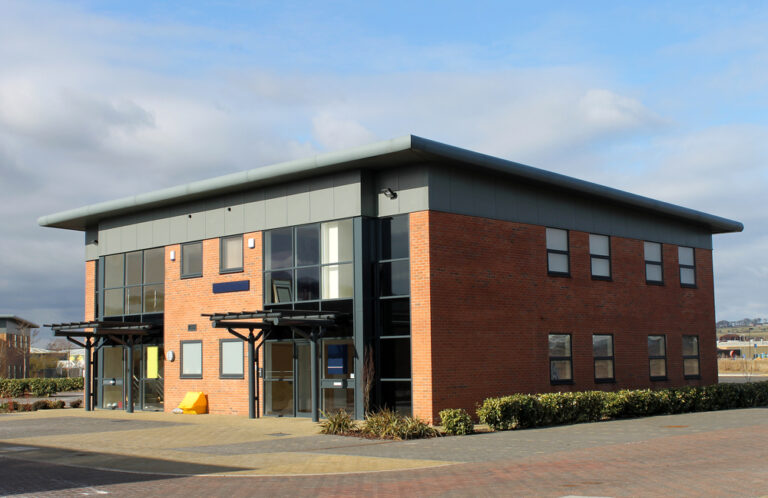
Suburban office parks, featuring low-rise buildings surrounded by landscaped campuses, represent another significant office space investment avenue. These properties appeal to companies seeking larger floor plans, ample parking, and easier employee commutes compared to central business districts.
Investors benefit from lower competition in suburban markets, often securing longer leases with regional companies. The shift toward hybrid work has further increased interest in suburban office investments as businesses decentralize operations.
Example 5: Sustainable and Smart Office Buildings
Green-certified and technology-integrated office properties are rising in importance. Investments in sustainable office buildings that meet LEED or BREEAM standards not only attract environmentally conscious tenants but also future-proof assets against regulatory changes.
These buildings often feature energy-efficient systems, smart building technology, and health-focused designs that enhance tenant satisfaction and reduce operating costs. As sustainability continues to shape corporate agendas, such investments become increasingly valuable.
Benefits of Office Space Investment
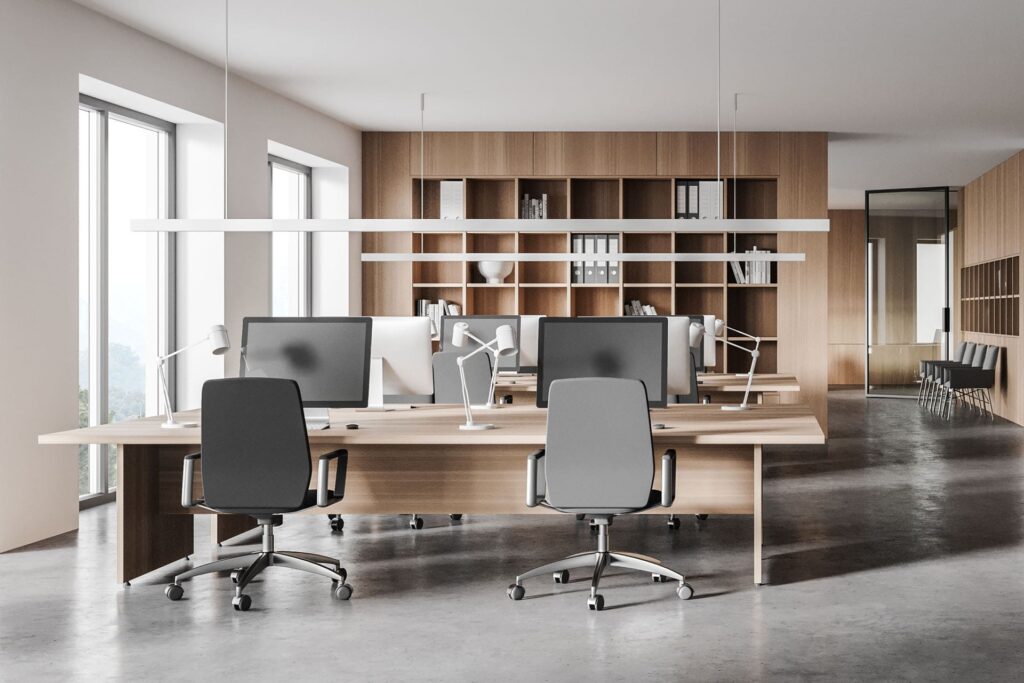
Investing in office properties provides multiple advantages. First, office leases tend to be longer compared to residential properties, often lasting five to ten years. This ensures stable rental income and reduces vacancy risks.
Second, well-located office spaces generally attract financially stable corporate tenants, lowering default risks. Investors can also benefit from periodic rent escalations written into lease agreements, which protect returns against inflation.
Another key benefit is diversification. Office space investment allows investors to balance portfolios with commercial assets, providing exposure to real estate cycles that may not align with stock market trends. Additionally, office properties in prime locations often experience steady appreciation over the long term.
Role of Technology in Enhancing Office Space Investment
Technology has reshaped how office space investments are managed and marketed. Digital platforms now provide investors with detailed analytics on property performance, tenant occupancy, and market trends, allowing more informed decision-making.
Smart building technologies improve operational efficiency by reducing energy consumption and optimizing space usage. For tenants, features like high-speed connectivity, app-based access, and touchless systems enhance workplace satisfaction, which directly impacts investor returns by reducing turnover.
Moreover, digital marketing tools allow property owners to attract tenants more efficiently. Virtual tours, 3D models, and online leasing platforms have streamlined tenant acquisition, making it easier to showcase properties globally.
Practical Use Cases of Office Space Investment

Supporting Corporate Headquarters
Office space investments in central business districts provide large corporations with the infrastructure to run operations. Investors in such buildings benefit from long-term, stable tenants with significant rental obligations.
Enabling Hybrid Work Models
Flexible offices and co-working facilities are particularly suited for companies transitioning to hybrid models. Investors in these properties cater to an evolving workforce while ensuring steady cash flow through multiple smaller tenants.
Contributing to Urban Renewal
Redeveloped industrial spaces converted into offices often become catalysts for urban revitalization. Investors not only generate returns but also contribute to the socioeconomic development of cities by attracting businesses and employment.
Meeting Sustainability Goals
Green-certified office investments align with environmental initiatives. These properties meet tenant demand for eco-friendly workplaces, ensuring relevance and reducing future obsolescence risks.
Frequently Asked Questions
Is office space investment still relevant in the era of remote work?
Yes, while remote work has grown, businesses continue to value physical office environments for collaboration, productivity, and brand presence. Hybrid models have created new opportunities, especially for flexible and suburban office spaces.
What factors determine the success of office space investment?
Location, tenant quality, lease terms, and property management are critical factors. Prime locations in growing urban areas or properties offering modern, sustainable amenities tend to perform better.
What are the risks involved in office space investment?
Risks include economic downturns that affect tenant demand, shifts in workplace trends, and high capital expenditure for maintenance or modernization. However, these can be mitigated through diversification and proactive property management.