CRE Investment: Comprehensive Guide to Commercial Real Estate Opportunities and Strategies
Commercial Real Estate (CRE) investment refers to the purchase, ownership, management, or leasing of properties used for business purposes. Unlike residential real estate, which serves individual or family living, CRE assets are designed to generate income through tenants, businesses, or investors seeking long-term returns.
This type of investment is often considered a cornerstone of wealth-building strategies for institutions, corporations, and individuals alike. The main appeal lies in consistent cash flow, asset appreciation, and diversification opportunities that can withstand economic fluctuations.
CRE investment covers multiple property categories such as office buildings, retail centers, industrial warehouses, and multifamily complexes. Each type offers unique potential, risks, and management considerations. Understanding the fundamentals of CRE is critical for investors aiming to maximize profitability while reducing exposure to risks.
Key Types of CRE Properties

When analyzing CRE investments, it is important to understand the four main categories of properties:
Office Spaces
Office real estate includes buildings and complexes that house businesses, professional services, and corporate headquarters. Investors often benefit from longer lease agreements with stable tenants. Prime locations in business districts tend to command higher rents and deliver long-term stability.
Retail Centers
Retail real estate covers shopping malls, strip centers, and standalone stores. These assets depend heavily on consumer spending and foot traffic. While they can be lucrative, retail properties require careful tenant selection and adaptation to changing market trends such as e-commerce.
Industrial Properties
Industrial CRE encompasses warehouses, logistics centers, and manufacturing facilities. With the surge of e-commerce, demand for industrial properties has grown significantly, making them one of the most resilient asset classes in recent years.
Multifamily Properties
Although sometimes associated with residential, multifamily properties are often included in CRE due to their scale and income-generating structure. Apartment complexes and rental communities provide steady demand, particularly in urban areas where housing shortages exist.
A Prime Office Building in a Major Business District
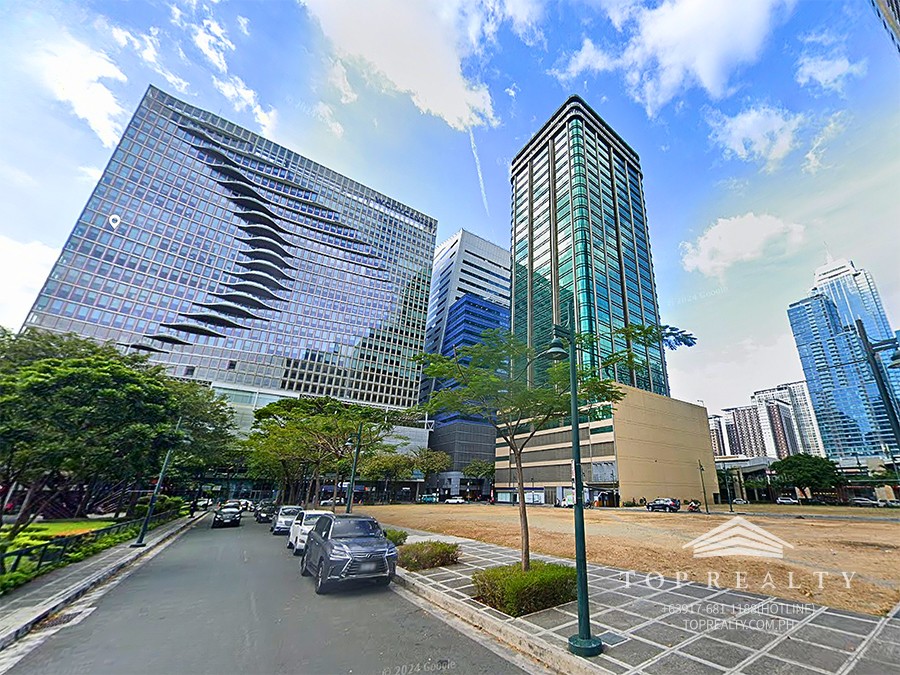
One real-world example of CRE investment is a prime office tower located in a central business district. Investors in this property benefit from long-term corporate tenants, often signing leases for multiple years. These agreements provide stability and predictable cash flows.
Additionally, office buildings in metropolitan areas are often attractive to institutional investors due to the prestige and steady appreciation they bring. However, they also require substantial capital and careful management, including maintenance, tenant relations, and compliance with zoning laws.
A Regional Shopping Mall
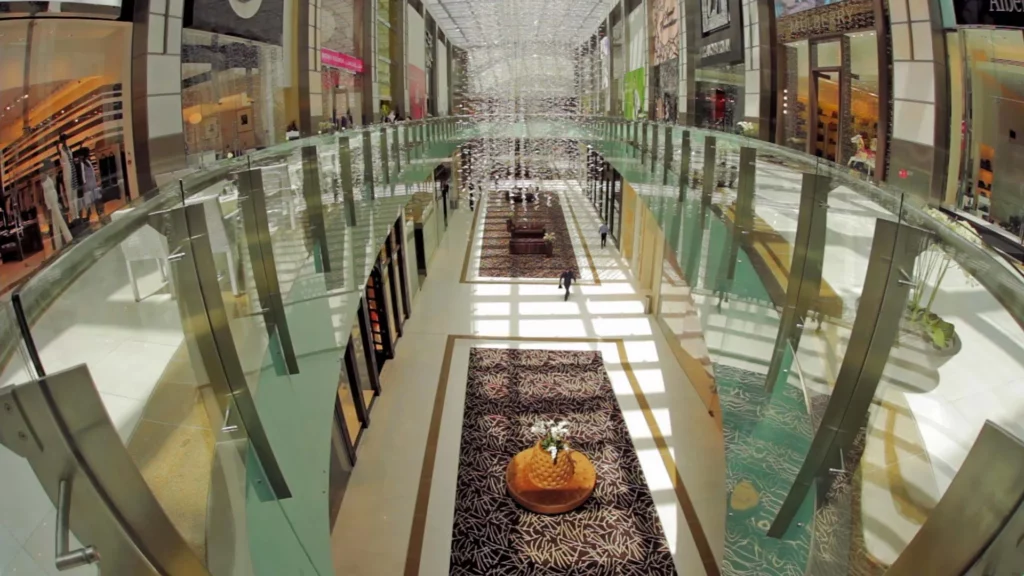
Another practical example is a regional shopping mall. Despite challenges from online retail, well-positioned malls with strong anchor tenants continue to perform well. Investors in such properties often focus on enhancing customer experience by integrating dining, entertainment, and lifestyle services.
The relevance of this CRE asset lies in its adaptability. Retail properties that embrace mixed-use elements can evolve into community hubs, ensuring sustained income and long-term tenant relationships.
A Logistics and Distribution Warehouse

Warehouses are among the fastest-growing CRE investment opportunities. For instance, a large logistics center located near major transportation routes can serve e-commerce giants and third-party logistics providers. These tenants value proximity to customers and efficiency in last-mile delivery.
Investors in industrial CRE enjoy long-term demand fueled by global supply chains and digital commerce. The reliability of tenants and scalability of such facilities make warehouses highly attractive for both institutional and private investors.
A Multifamily Residential Complex
Multifamily properties such as apartment complexes represent one of the most resilient CRE segments. For example, a 500-unit residential tower in an urban center ensures consistent rental income, even during economic downturns. Housing demand often remains steady, making multifamily assets an essential hedge against volatility.
This type of CRE investment also provides flexibility for redevelopment or repositioning. Investors can upgrade facilities, improve amenities, and increase rents over time, boosting the property’s overall value.
Benefits of CRE Investment
CRE investment provides multiple advantages that go beyond immediate rental income.
Income Stability and Cash Flow
CRE assets are known for generating steady cash flow through long-term lease agreements. Tenants such as corporations, retailers, and logistics firms often sign contracts lasting multiple years, ensuring predictable revenue.
This stability makes CRE investments particularly appealing to investors seeking consistent returns rather than volatile market speculation.
Diversification of Portfolio
Adding CRE investments to a portfolio reduces overall risk by diversifying asset classes. While stocks and bonds are influenced by market fluctuations, CRE often maintains value through tangible assets, providing a hedge against inflation.
Diversification into different property types—offices, industrial, retail, and multifamily—further spreads risk and balances potential income sources.
Appreciation and Long-Term Growth
Beyond cash flow, CRE properties generally appreciate over time. Strategic property management, location advantages, and economic development in surrounding areas contribute to higher asset values. Investors often benefit from capital gains upon sale.
Additionally, CRE assets can be improved or repositioned, enabling owners to increase value and attract premium tenants.
Technology’s Role in Enhancing CRE Investments

Technological advancements are reshaping how investors analyze, manage, and maximize their CRE portfolios.
Data Analytics for Smarter Decisions
Modern analytics platforms provide investors with insights into tenant behavior, local demographics, and market trends. Predictive modeling helps identify which properties are likely to yield the best returns and informs strategic acquisitions.
Property Management Innovations
Smart building technologies, including IoT-enabled systems, optimize energy efficiency, reduce operational costs, and enhance tenant satisfaction. These innovations improve property value while ensuring sustainability and regulatory compliance.
Virtual and Remote Accessibility
Technologies such as virtual tours and digital transaction platforms enable global investors to explore properties without physical visits. This accessibility expands investment opportunities and streamlines due diligence processes.
Real-World Use Cases of CRE Investment
Urban Redevelopment Projects
In major cities, CRE investments have fueled urban redevelopment. Investors purchase outdated buildings, renovate them, and transform them into modern mixed-use spaces. This revitalization attracts tenants, boosts local economies, and creates long-term property value.
Logistics Expansion
The growth of e-commerce has led investors to focus heavily on industrial warehouses. By acquiring distribution centers near metropolitan hubs, investors solve logistical bottlenecks for businesses while ensuring high occupancy rates.
Affordable Housing Solutions
Multifamily CRE investments have been instrumental in addressing housing shortages. Investors create large-scale residential complexes that cater to middle-income families, providing stable revenue streams while solving community housing issues.
Adaptive Retail Centers
Retail CRE investors are converting traditional malls into lifestyle centers that blend shopping with entertainment, dining, and coworking spaces. This adaptability ensures relevance and continued consumer engagement.
Challenges and Risks in CRE Investment
Despite its many advantages, CRE investment also involves risks that must be managed carefully.
Market Fluctuations
Economic downturns can reduce tenant demand and lower rental income. Retail properties, in particular, are sensitive to consumer spending shifts.
High Capital Requirements
CRE properties typically require significant upfront investment. Investors often need financing, which can be affected by interest rates and lending conditions.
Management Complexity
Large CRE assets demand professional property management. Issues such as tenant relations, maintenance, and compliance require time and resources.
Frequently Asked Questions (FAQ)
1. What makes CRE investment different from residential real estate?
CRE focuses on income-generating properties such as offices, retail centers, and warehouses, while residential real estate typically involves homes for individual or family use. CRE often delivers higher cash flow and long-term stability.
2. Is CRE investment suitable for beginners?
While CRE can be complex, beginners can start with smaller properties or through Real Estate Investment Trusts (REITs). Understanding market fundamentals and seeking professional advice are key to minimizing risks.
3. How does technology improve CRE investment outcomes?
Technology enhances property management, provides market analytics, and enables remote transactions. These tools streamline operations, reduce costs, and increase transparency for investors.