Rent Business Property: Complete Guide with Benefits, Examples, and Insights
Renting business property is one of the most important steps for entrepreneurs, startups, and established companies looking to grow. Unlike residential rentals, business property leases are designed to accommodate professional operations such as offices, retail stores, warehouses, and industrial facilities. These spaces not only provide a physical location for operations but also help companies establish credibility, attract clients, and support expansion.
The demand for business property rentals continues to rise as more organizations seek flexibility without the heavy financial burden of property ownership. Renting provides companies with the agility to adapt to market shifts, scale operations, and strategically position themselves in high-demand areas.
Why Renting Business Property is Essential

For many businesses, renting commercial property is a strategic decision rather than just a financial one. A well-located property ensures visibility, accessibility for clients, and convenience for employees. It also allows companies to operate in prime areas without committing massive capital to property purchases.
Another reason renting is vital is the ability to shift or expand operations with minimal disruption. Unlike owning, renting makes it easier for businesses to relocate as market trends evolve. This flexibility is particularly crucial for startups and businesses in rapidly changing industries.
Key Types of Business Properties Available for Rent

Office Spaces
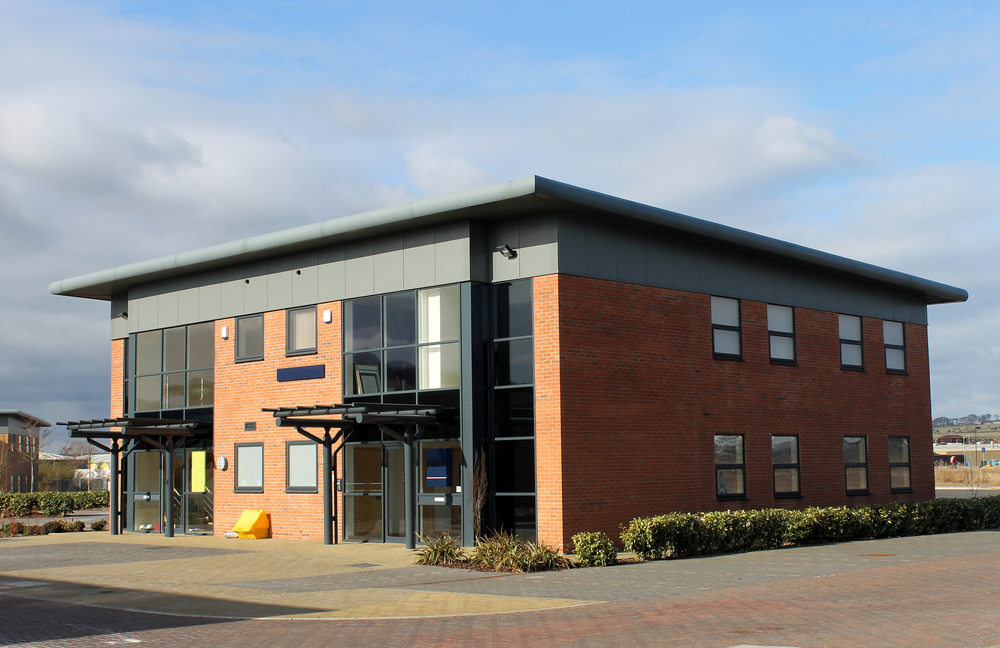
Office rentals are among the most common categories. From coworking spaces to large corporate floors, office rentals allow businesses to operate in professional environments without committing to long-term ownership costs.
Retail Spaces
Retail rentals are essential for stores, restaurants, and service-based companies. High-traffic retail properties give businesses direct access to customers, driving visibility and sales.
Industrial and Warehouse Properties
Industrial properties and warehouses serve as logistics hubs, manufacturing centers, or storage facilities. These rentals are increasingly in demand due to the growth of e-commerce and supply chain optimization.
Mixed-Use Developments
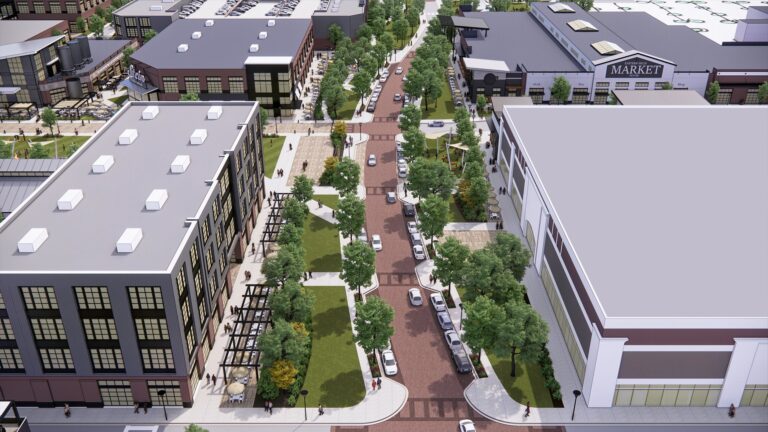
These spaces combine retail, residential, and office in one location. Renting in mixed-use developments allows businesses to benefit from built-in customer traffic and shared amenities.
Real-World Examples of Renting Business Property
Example 1: Startup Office in a Tech Hub
A technology startup in Austin rented space in a coworking hub to accommodate its small but growing team. Renting allowed the company to benefit from flexible terms, shared amenities, and networking opportunities with other startups. As the business scaled, it upgraded to larger office suites in the same building. This example highlights how office rentals foster growth while minimizing upfront costs.
Example 2: Retail Storefront in a Prime Shopping District
A fashion retailer rented a storefront in a high-traffic downtown shopping area. The property’s location near popular cafes and tourist attractions significantly boosted foot traffic. Renting provided the business with the exposure it needed to grow its brand, without the financial strain of purchasing premium real estate in a competitive market.
Example 3: Warehouse for an E-commerce Brand
An e-commerce company leased a warehouse in Los Angeles to streamline order fulfillment. Renting gave them immediate access to a logistics-ready property without having to build one from scratch. The flexibility of rental agreements allowed them to expand operations quickly as online demand surged.
Example 4: Restaurant Space in a Mixed-Use Development
A new restaurant chain rented a space in a mixed-use development in Miami. The property’s mix of residential apartments and office tenants created a built-in customer base. The rental setup allowed the restaurant to test its concept in a vibrant environment while keeping capital available for menu development and marketing.
Benefits of Renting Business Property
Renting business property comes with numerous advantages that make it an attractive option for companies of all sizes.
-
Flexibility: Businesses can easily upgrade or downsize based on needs, without being tied down to long-term ownership.
-
Lower Capital Requirement: Renting avoids the heavy upfront investment required for buying property, freeing up capital for operations.
-
Prime Location Access: Companies can operate in high-demand business districts that may be unaffordable to purchase.
-
Reduced Maintenance Responsibility: Many leases include landlord maintenance, reducing operational burdens.
-
Faster Setup: Renting allows immediate occupation of functional spaces, speeding up business launches.
How Technology Supports Renting Business Property
Insert image of the product: digital leasing platform interface on alaptopt.op
Technology has made renting business property more efficient than ever. Online platforms now allow companies to view property listings, take virtual tours, and sign leases digitally. This innovation saves time and broadens access to properties beyond geographic limitations.
Smart building technology further enhances rental experiences. Businesses can now rent offices or retail spaces equipped with energy-efficient systems, IoT-enabled controls, and digital security. These features improve employee comfort, reduce operational costs, and add long-term value to the rental arrangement.
Data analytics also play a key role. Platforms track market trends, rental rates, and property demand, allowing tenants to negotiate better leases and plan strategically.
Practical Use Cases for Renting Business Property
Expansion Without Heavy Capital
Companies often rent business property to expand into new markets without tying up resources in real estate purchases. This makes it easier to test new locations and adapt based on performance.
Seasonal and Temporary Operations
Retailers, especially those with seasonal products, rely on short-term rentals such as pop-up shops. Renting provides them access to prime areas during peak seasons without the commitment of ownership.
Supporting Logistics and Supply Chains
E-commerce and manufacturing companies rent warehouses near transport hubs. This helps them ensure faster delivery and operational efficiency without investing in massive infrastructure.
Building Business Credibility
Professional office rentals give small companies a formal address, enhancing credibility with clients and investors. This can be particularly beneficial for startups seeking funding or partnerships.
Frequently Asked Questions
1. Is renting business property better than buying?
Renting is often better for businesses seeking flexibility, lower upfront costs, and easier access to prime locations. Buying may be suitable for long-term stability, but renting provides greater agility for growing or relocating companies.
2. What types of businesses benefit most from renting property?
Startups, retail shops, restaurants, logistics companies, and professional service firms often benefit the most. Renting allows them to conserve capital while still enjoying professional spaces suited to their needs.
3. How has technology changed the process of renting business property?
Technology has streamlined the rental process through virtual tours, digital contracts, and data-driven insights. Businesses can now compare multiple properties, negotiate efficiently, and secure spaces remotely, making the process faster and more transparent.