Sold Properties: Complete Guide to Insights, Technology, and Real-World Examples
The term “sold properties” refers to homes, commercial spaces, or land parcels that have been successfully transferred from sellers to buyers. Sold property data provides valuable insights into real estate markets, including pricing trends, demand, and investment opportunities. For buyers, analyzing sold properties helps determine fair value. For sellers, it provides clarity on how to position a home competitively.
In today’s real estate environment, knowing what has already sold is as important as knowing what is currently listed. It reflects real market conditions, showing not just the asking price but the actual closing numbers, giving a more accurate picture of value.
Why Sold Property Data Matters

Sold property data helps bridge the gap between perception and reality. While listings display what sellers hope to achieve, sold records reveal what buyers are actually willing to pay. This makes sold property data crucial for negotiations, appraisals, and investment strategies.
For homebuyers, this information prevents overpaying. For sellers, it ensures accurate pricing strategies. Investors use it to identify profitable opportunities, such as undervalued neighborhoods or high-demand zones.
Factors That Influence Sold Properties
Market Demand and Supply

The volume and price of sold properties depend heavily on market conditions. In high-demand periods, properties sell quickly, often at or above listing prices. In slower markets, properties may linger and eventually sell below expectations.
Understanding this cycle is essential. For example, economic growth, job opportunities, and local infrastructure projects can drive higher sales activity, while recessions or oversupply can lead to slower sales.
Property Location and Features
Location continues to be the most significant driver of property sales. Sold properties in prime neighborhoods, close to schools, transport, and amenities, often command higher prices. Beyond location, unique features such as renovated kitchens, energy-efficient systems, or large outdoor spaces can significantly impact sale outcomes.
Real-World Examples of Sold Properties

Example 1: A Family Home in a Growing Suburb
A family home in a rapidly developing suburban area sold within two weeks of listing. The final price exceeded the asking price by 10% due to multiple offers. The area’s growing infrastructure and schools attracted young families, driving demand.
This case illustrates how location and neighborhood growth directly influence sold property outcomes. Sellers benefit from understanding the buyer profile in their region.
Example 2: An Urban Apartment in a Competitive Market
A city-center apartment sold quickly but slightly below the asking price. With many similar listings in the market, the seller had to adjust expectations. The final sale showed how oversupply in urban markets can create downward pricing pressure.
This example highlights the importance of studying comparable sold properties. Sellers can better forecast realistic outcomes by looking at actual transactions instead of just active listings.
Example 3: A Commercial Office Space in a Business District
A mid-sized office space in a central business district was sold to an investor seeking long-term rental income. The property’s occupancy rate and tenant quality influenced its valuation. Although the property was sold after months of negotiations, the buyer paid a premium due to its prime location and rental stability.
This scenario shows that sold property data applies beyond homes. Commercial transactions reveal how demand from businesses and investors impacts value.
Example 4: A Rural Property with Land
A rural property consisting of a farmhouse and several acres of land sold after a longer period on the market. Despite fewer buyers, its unique appeal to agricultural investors and eco-conscious families secured a fair sale.
This demonstrates how niche property types require patience but still add valuable insights to sold property data.
Benefits of Using Technology to Track Sold Properties

Technology has revolutionized access to sold property data. Online platforms allow users to view recent transactions, compare sales across neighborhoods, and even track pricing trends over time. With big data, predictive analytics, and AI integration, these tools provide deeper insights than ever before.
For sellers, technology helps identify the best time to list. For buyers, it reduces the risk of overpaying by showing real-world benchmarks. Investors benefit from mapping software and analytics tools that reveal emerging markets or undervalued zones.
Practical Advantages of Sold Property Insights
-
Accurate Pricing: Helps both sellers and buyers set realistic expectations.
-
Market Clarity: Provides transparency in competitive real estate markets.
-
Investment Planning: Enables investors to spot trends and opportunities.
-
Negotiation Power: Armed with actual data, buyers and sellers negotiate confidently.
-
Time Efficiency: Saves time by narrowing searches to realistic price ranges.
These advantages highlight why sold property data is indispensable for anyone navigating the housing market.
Use Cases of Sold Properties Data
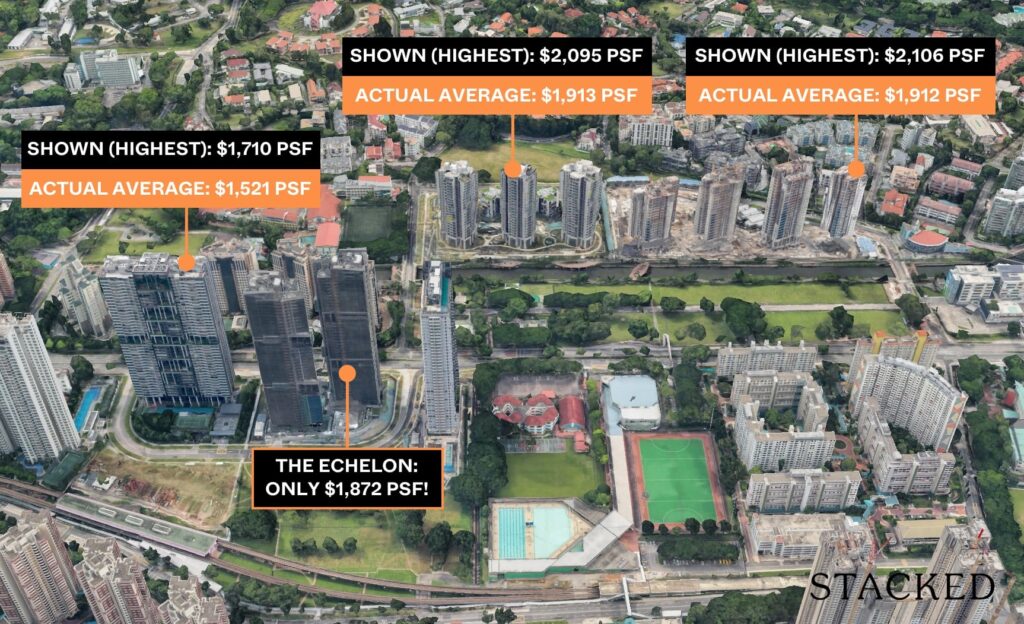
Setting the Right Asking Price
Homeowners can evaluate recent sales in their neighborhood to set competitive listing prices. Pricing too high risks stagnation, while pricing too low leaves money on the table.
Avoiding Overpayment
Buyers can use sold property records to assess if a listing price is justified. Comparing similar properties ensures they invest wisely.
Identifying Emerging Markets
Investors analyze sold property data to spot areas with rising sales volumes and prices. These zones often indicate future growth potential.
Supporting Appraisals and Financing
Banks and appraisers rely heavily on sold property records to determine fair market value. Accurate valuations protect both lenders and buyers.
Frequently Asked Questions
1. How can I find information about sold properties?
Information is often available through real estate platforms, local government records, and real estate agents who have access to comprehensive market data.
2. Why is sold property data more reliable than asking prices?
Asking prices reflect seller expectations, while sold prices show what buyers were actually willing to pay. This makes sold property data a more accurate market indicator.
3. Can sold property trends predict future values?
While not foolproof, analyzing sold properties helps identify patterns, such as increasing demand in specific neighborhoods. This data can guide investment and selling strategies.