Orchard Real Estate: Complete Guide to Market Insights, Technology, and Real-World Examples
Orchard real estate refers to the buying, selling, and management of properties used for cultivating fruit-bearing trees. These properties are highly sought after by investors, farmers, and lifestyle buyers who value agricultural productivity alongside natural beauty. Orchard properties can range from small family-owned plots to expansive commercial operations spanning hundreds of acres.
Unlike standard residential or commercial real estate, orchard real estate combines both land value and agricultural potential. Buyers are not only acquiring soil and infrastructure but also the long-term productivity of fruit-bearing trees, water resources, and crop yields. This dual value makes orchard real estate a unique niche within the broader property market.
Why Orchard Real Estate Is Growing in Importance

The global demand for healthy, organic produce has contributed significantly to the rising value of orchard real estate. With more consumers seeking locally grown fruits, orchards offer both economic returns and environmental benefits. Beyond farming, orchard properties also attract eco-conscious buyers who want land that supports sustainability.
Another reason for its growing importance is diversification. For investors who traditionally look at residential or commercial spaces, orchard real estate provides an alternative asset class that combines stable land appreciation with potential income from fruit sales. This makes it appealing for long-term wealth planning.
Factors That Shape Orchard Real Estate Values
Location and Climate
The productivity of an orchard is directly tied to its geographical location and climate. Properties in regions with fertile soil, favorable weather conditions, and reliable irrigation systems often command higher prices. For example, apple orchards thrive in cooler climates, while citrus orchards require warmer environments.
Proximity to markets also plays a critical role. Orchards near urban centers or export hubs typically enjoy better logistics for selling their produce, thereby increasing their desirability and value.
Infrastructure and Management Potential
Beyond natural factors, the condition of infrastructure such as irrigation systems, fencing, and storage facilities significantly impacts orchard real estate. Properties with modern equipment and well-managed trees are more attractive because they reduce the costs of setting up operations.
Additionally, management potential, including whether the orchard is owner-operated, leased, or fully managed, affects overall returns. Buyers may prefer turnkey orchards that already have established operations, reducing the learning curve and risks associated with farming.
Real-World Examples of Orchard Real Estate
Example 1: Apple Orchard in Washington State, USA
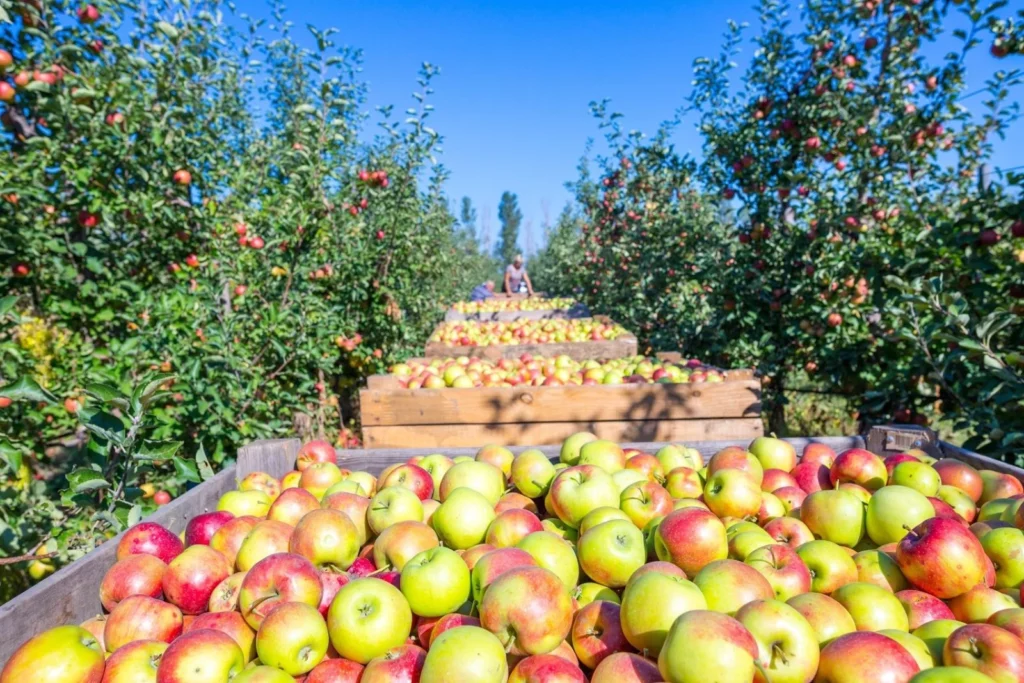
A mid-sized apple orchard in Washington recently sold to a family-run agricultural group. The orchard was valued not just for its land but also for its established production network and long-term contracts with local distributors. The fertile soil and consistent yields added to its investment value.
This case demonstrates how orchard real estate is not merely about land ownership but also about inheriting an operational business. Buyers benefit from acquiring assets that immediately generate revenue.
Example 2: Olive Grove in Southern Spain
An olive grove in Andalusia was purchased by an investor looking for sustainable agricultural land. The grove had centuries-old trees producing high-quality olives for oil exports. Its cultural significance and established brand identity made it a premium orchard property.
This highlights how orchard real estate often carries cultural and historical value. Buyers gain not only agricultural productivity but also a brand heritage that can influence pricing and demand.
Example 3: Citrus Orchard in Queensland, Australia
A citrus orchard in Queensland attracted attention due to its access to advanced irrigation systems and export markets in Asia. The orchard had a strong reputation for producing organic oranges, making it appealing to health-conscious global buyers.
The transaction illustrates how technological enhancements such as irrigation systems and organic certifications increase orchard property value. Investors recognize that modern farming techniques can ensure sustainability and profitability.
Example 4: Vineyard in Napa Valley, California
A vineyard, considered a type of orchard real estate, was sold in Napa Valley to a private buyer who wanted to expand into wine production. The land came with both grape vines and winemaking infrastructure, making it highly lucrative.
This example demonstrates that orchard real estate often extends beyond fruit cultivation into value-added industries like wine production. Properties with built-in processing facilities can offer even greater profitability.
Benefits of Using Technology in Orchard Real Estate

Technology has transformed how orchard real estate is managed and evaluated. Precision farming tools, drones, and satellite imaging allow orchard owners to monitor crop health, soil moisture, and pest activity. These insights reduce risks and increase productivity.
For investors, digital platforms provide access to orchard sales data, yield forecasts, and land performance analytics. Artificial intelligence can even predict future returns by analyzing weather patterns, historical yields, and market demand. This transparency makes orchard real estate more accessible and less risky.
Practical Advantages of Investing in Orchard Real Estate
-
Long-Term Value: Orchard properties appreciate while generating recurring income from crops.
-
Sustainability: Orchards support eco-friendly farming and biodiversity, appealing to environmentally conscious buyers.
-
Cultural Heritage: Many orchards come with traditions and histories that enhance their intangible value.
-
Diversification: Orchard real estate provides a unique alternative to conventional residential or commercial property investment.
-
Stable Demand: As fruit and agricultural products remain essential, orchards continue to generate steady demand.
These benefits make orchard real estate appealing for families, entrepreneurs, and institutional investors seeking both lifestyle and financial gains.
Use Cases of Orchard Real Estate
Supporting Sustainable Agriculture
Orchard properties play a vital role in promoting organic and sustainable farming. Owners can use land to produce chemical-free fruits, contributing to healthier lifestyles and ecological preservation.
Providing Alternative Income Streams
For investors, orchards offer recurring revenue through harvest sales, agri-tourism ventures, or leasing agreements with local farmers. This creates financial stability even during uncertain market conditions.
Promoting Rural Development
Owning and managing orchard real estate can stimulate local economies by providing jobs, supporting local suppliers, and creating export opportunities. Rural communities benefit significantly from active orchard investments.
Creating Lifestyle Properties
Beyond commercial use, orchards are often purchased as lifestyle properties. Families seeking a peaceful retreat find orchards attractive because they combine natural beauty with productive land use.
Frequently Asked Questions
1. What makes orchard real estate different from regular farmland?
Orchard real estate is specialized land with established fruit-bearing trees. Unlike open farmland, orchards provide immediate productivity, established infrastructure, and often higher returns.
2. Is orchard real estate a good long-term investment?
Yes. Orchards offer both land appreciation and consistent income from harvests. Their connection to essential food production makes them relatively stable compared to other asset classes.
3. How does technology improve orchard management?
Technology such as drones, soil sensors, and AI-driven analytics helps orchard owners maximize yields, reduce risks, and plan sustainable farming practices. These innovations make orchards more profitable and efficient.