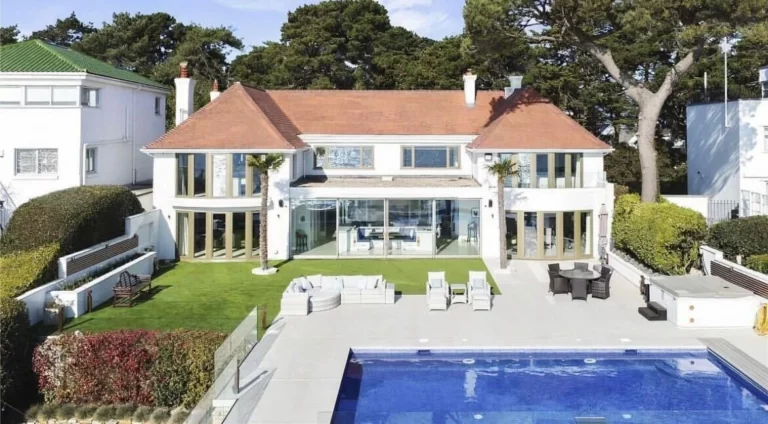
Selling Million Dollar Homes: Complete Guide with Strategies, Insights, and Real-World Examples
Selling million-dollar homes requires more than traditional real estate knowledge; it demands an understanding of affluent buyers, advanced marketing strategies, and the ability to highlight the lifestyle a property offers. These homes are not just places to live; they represent status, exclusivity, and long-term investments.
Unlike traditional real estate, where speed and price are the main focus, selling high-value homes involves carefully targeted efforts. The pool of buyers is smaller, and they expect a premium experience from the first impression to the closing deal. Success depends on positioning the property in a way that communicates value beyond its walls: luxury, security, and lifestyle.
Understanding the Luxury Real Estate Market
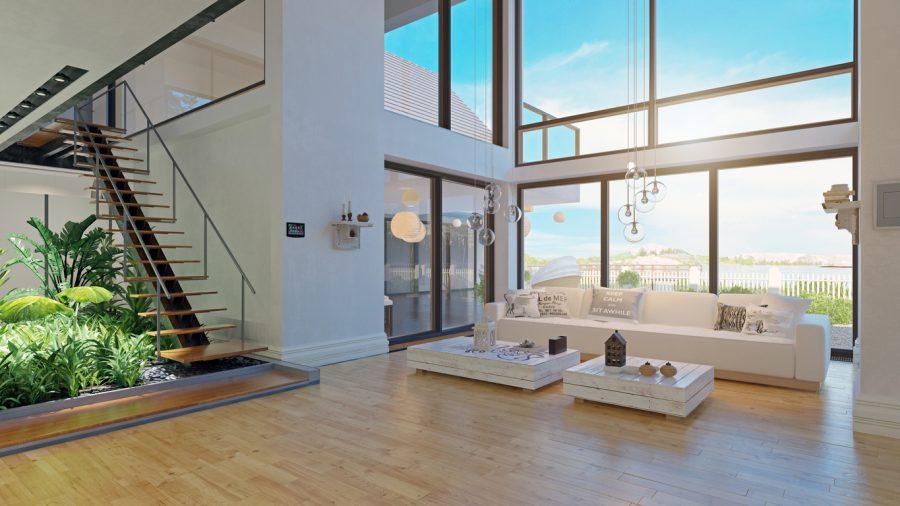
Luxury real estate is a niche within the housing market; million-dollar homes often sit at the entry point of this segment. Buyers in this market are selective and well-informed, often purchasing not just a property but also a symbol of achievement.
The demand for million-dollar homes varies by region. In some cities, like Los Angeles or New York, these homes may be considered modest compared to multi-million-dollar estates. In smaller cities, however, a million-dollar home can be the pinnacle of luxury living. This variation makes it critical to tailor marketing strategies to the local market while maintaining global appeal for potential buyers.
Essential Strategies for Selling Million Dollar Homes
Crafting a Strong First Impression
First impressions are crucial when selling a luxury property. A home must be staged to perfection, with attention to detail in every room. From lighting and furniture placement to landscaping, everything should enhance the home’s features. Million-dollar buyers expect excellence, and even minor flaws can diminish the perceived value.
Professional photography and videography are equally vital. High-resolution images, cinematic video tours, and drone footage help highlight the grandeur of the property and create emotional engagement before buyers even set foot inside.
Positioning the Lifestyle, Not Just the Property
Affluent buyers are looking for a lifestyle. They want to envision themselves hosting events, relaxing in spa-like bathrooms, or enjoying seamless indoor-outdoor living spaces. Marketing materials should therefore go beyond square footage and finishes to showcase the aspirational experiences the property enables. By presenting the home as a stage for luxury living, sellers can capture buyers’ imagination and desires.
The Role of Technology in Selling Million Dollar Homes

Technology has revolutionized the way million-dollar homes are marketed and sold.
One key benefit is virtual reality tours that allow buyers to walk through the property remotely, experiencing every detail without being physically present. This is especially valuable for international clients or busy executives who cannot travel easily.
Drone photography also plays a critical role, providing aerial views of sprawling estates, landscaped grounds, and surrounding areas. These visuals emphasize privacy, exclusivity, and scale, elements that appeal to luxury buyers.
Additionally, AI-driven analytics and targeted advertising enable agents to connect with the right audience. Instead of broad marketing, campaigns can be directed toward high-net-worth individuals who are actively searching for properties in specific locations.
Real-World Examples of Selling Million-Dollar Homes
Example 1: Beverly Hills Contemporary Estate

In Beverly Hills, agents often market million-dollar homes by focusing on location and views. A recent example involved a contemporary estate marketed with cinematic video tours, professional staging, and a lifestyle-focused narrative that emphasized entertainment spaces and skyline vistas.
This property stood out not because of its size alone but because of the way it was presented. Marketing emphasized exclusivity, privacy, and the ability to host events in style, tapping into the desires of high-profile buyers.
Example 2: Miami Waterfront Villa
A Miami waterfront home priced just over a million dollars was marketed by highlighting its outdoor living spaces. Drone footage captured the villa’s private dock, while lifestyle photography showcased poolside dining and oceanfront sunsets.
The strategy worked because it sold the idea of coastal living and leisure rather than just the structure itself. Buyers were drawn to the emotional appeal of owning a property that doubles as a retreat.
Example 3: New York City Penthouse
In Manhattan, a penthouse was marketed using advanced digital technology. A virtual reality walkthrough allowed international clients to explore the home from overseas. Coupled with glossy photography and social media ads, the campaign attracted buyers from Europe and Asia.
This case illustrates how technology expands the pool of potential buyers. By eliminating geographical barriers, the marketing campaign maximized exposure and led to a successful sale at the asking price.
Example 4: Austin Modern Smart Home
In Austin, a million-dollar smart home attracted buyers by emphasizing sustainability and innovation. Features such as solar panels, automated climate control, and security systems were highlighted in marketing materials.
This example shows how modern buyers value not only luxury but also technology and efficiency. By spotlighting eco-friendly features and cutting-edge automation, agents were able to connect with buyers looking for future-ready properties.
Benefits of Using Technology in Selling Million Dollar Homes

The integration of technology in luxury real estate sales provides several advantages:
-
Global Reach: Virtual tours, professional websites, and targeted digital ads make properties visible to international buyers.
-
Enhanced Buyer Experience: High-quality visuals and immersive tours allow potential buyers to explore properties at their convenience, creating deeper engagement.
-
Time Efficiency: Remote viewing tools save time for both agents and buyers, allowing quicker decision-making.
-
Data-Driven Marketing: Analytics reveal how buyers interact with online listings, helping agents optimize their approach.
These benefits not only streamline the sales process but also elevate the professionalism of the agent, making them more appealing to high-value clients.
Practical Use Cases for Selling Million Dollar Homes
Overcoming a Smaller Buyer Pool
Million-dollar homes appeal to a niche audience. Technology and targeted marketing help agents expand reach to international clients, solving the issue of limited local demand.
Addressing Buyer Expectations for Exclusivity
High-value buyers often expect personalized service and privacy. Virtual tours, private showings, and secure online communications meet these expectations while maintaining exclusivity.
Highlighting Lifestyle Aspirations
Million-dollar homes must be marketed as lifestyle investments. From showcasing wellness amenities like spas and gyms to outdoor living features such as pools and gardens, agents can connect emotionally with buyers by painting a picture of aspirational living.
Frequently Asked Questions
1. What makes selling million-dollar homes different from regular properties?
Selling million-dollar homes requires a tailored approach. Unlike regular properties, the focus is on lifestyle, exclusivity, and prestige. Buyers expect personalized experiences, high-quality marketing, and exceptional presentation.
2. How important is staging when selling a million-dollar home?
Staging is essential. Affluent buyers expect a flawless presentation, and staging helps them envision the lifestyle the property offers. Professionally staged homes often sell faster and at higher prices.
3. Can technology really make a difference in selling luxury homes?
Yes. Technology such as drone photography, virtual tours, and targeted advertising has transformed luxury real estate. It allows sellers to reach a global audience, engage buyers more effectively, and streamline the entire sales process.