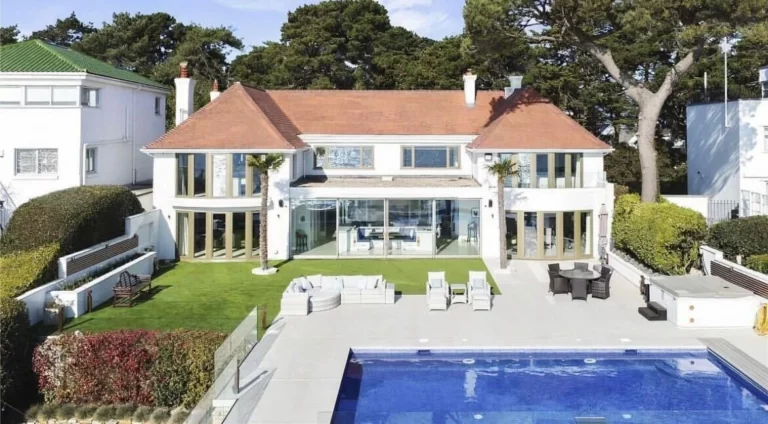
Luxury Property Development: Insights, Trends, and Real-World Examples
Luxury property development represents the pinnacle of real estate design, architecture, and investment strategy. Unlike conventional developments, luxury projects are crafted to deliver exclusivity, innovation, and an enhanced lifestyle. These properties often combine state-of-the-art technology, premium amenities, and iconic architectural designs to appeal to affluent buyers worldwide.
As global wealth expands, luxury property development has become one of the most competitive sectors of real estate. From urban skyscrapers with penthouses overlooking skylines to sprawling eco-conscious estates in secluded locations, the demand for distinctive, high-value properties continues to rise. Developers in this segment must balance heritage, innovation, and long-term sustainability to create homes that stand as much as status symbols as they do residences.
What Defines Luxury Property Development?
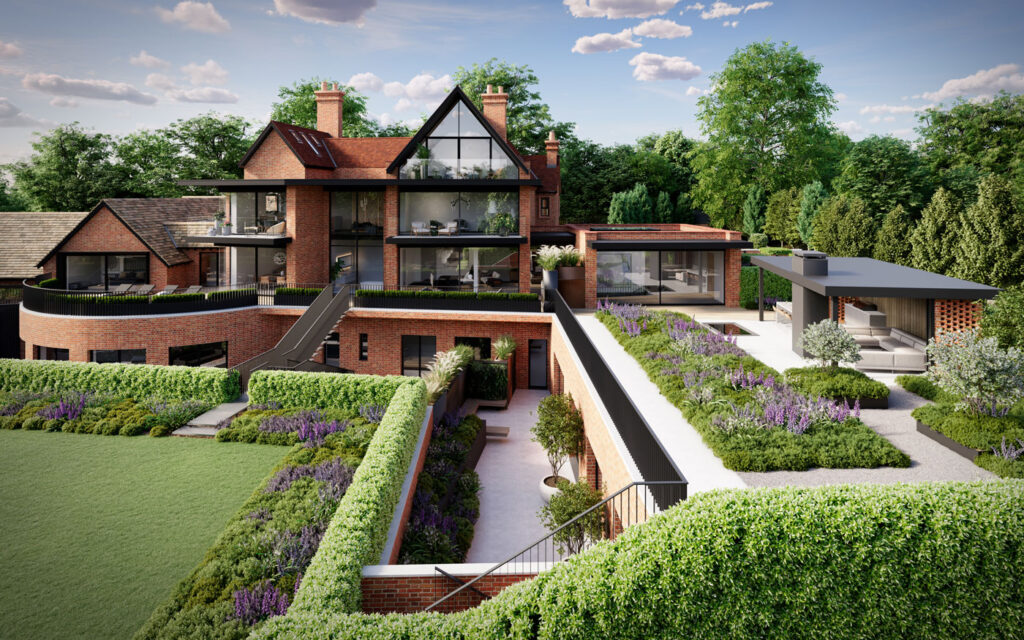
Luxury property development is not simply about higher price points. It is defined by exceptional design, craftsmanship, location, and lifestyle integration. Developers often partner with world-renowned architects, interior designers, and landscape experts to create homes that meet the expectations of discerning buyers.
These projects typically feature elements such as panoramic views, wellness amenities, bespoke interiors, and seamless integration of smart technology. Beyond the tangible features, luxury development reflects exclusivity, privacy, and prestige, making it a distinct category of real estate.
Evolution of the Luxury Property Development Market
The luxury property sector has evolved significantly in the past decade. Traditionally centered around urban centers like London, New York, and Dubai, it now extends to resort towns, countryside estates, and emerging global hubs.
A major evolution has been the integration of sustainability. Today’s luxury buyers demand environmentally responsible homes that use renewable energy, recycled materials, and efficient technologies. Developers who ignore these trends risk losing relevance among a new generation of buyers who equate luxury with eco-consciousness.
Benefits of Technology in Luxury Property Development
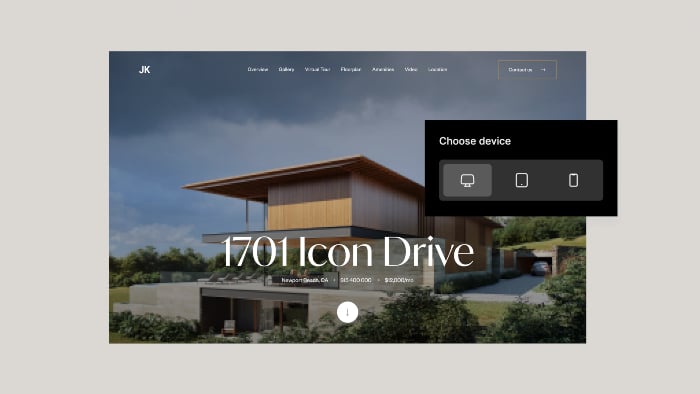
Technology has reshaped how developers design, market, and sell luxury properties. Virtual reality tours, drone imaging, and 3D rendering allow buyers to experience homes even before construction is complete. This not only speeds up sales cycles but also builds buyer confidence in large-scale investments.
For residents, smart-home technology has become a standard expectation. Integrated systems for lighting, climate, entertainment, and security provide convenience, efficiency, and safety. Developers who incorporate these technologies into projects elevate property appeal while also setting benchmarks for innovation in the industry.
Real-World Examples of Luxury Property Development
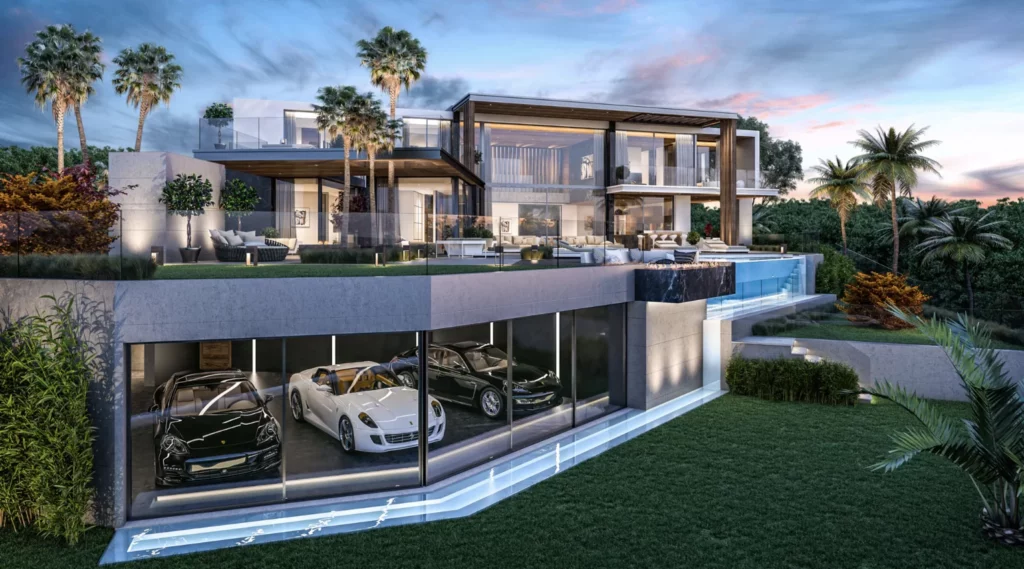
One Hyde Park, London
One Hyde Park is often cited as one of the most luxurious residential developments in the world. Located in Knightsbridge, London, it combines cutting-edge architecture with unparalleled services, including a private spa, cinema, and 24-hour concierge support.
The project redefined what urban luxury living could be. With residences overlooking Hyde Park and bespoke interiors designed by acclaimed designers, it sets a new standard for prime city developments that merge prestige with convenience.
Burj Khalifa Residences, Dubai
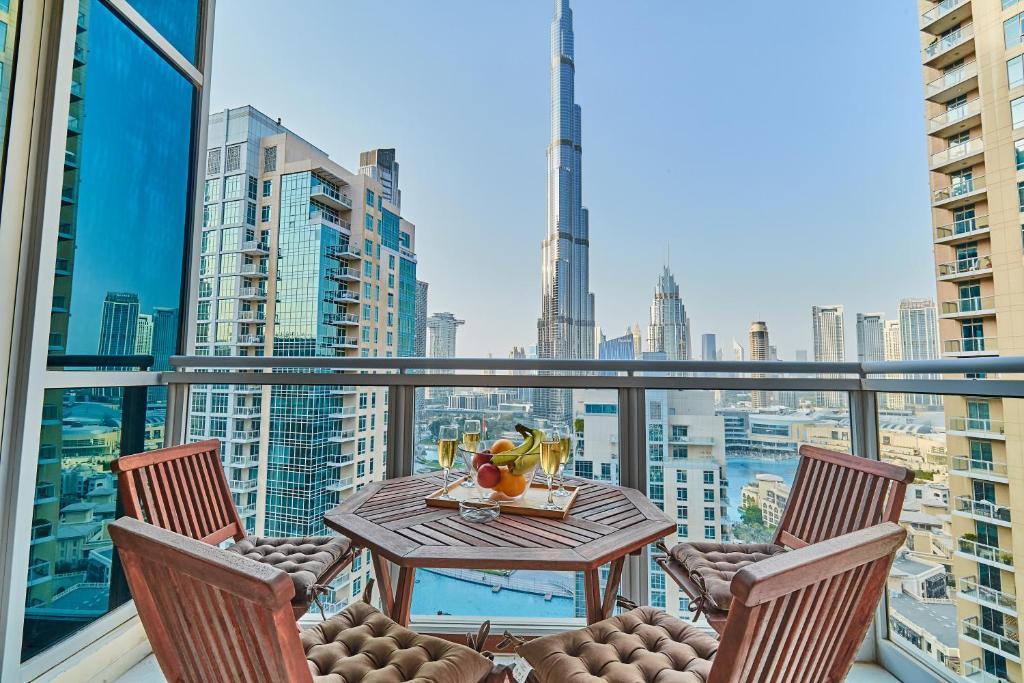
The Burj Khalifa is not only the tallest building in the world but also a landmark in luxury property development. Its residential segment offers penthouses and apartments that embody exclusivity, with access to private lounges, swimming pools, and top-tier dining.
This development showcases how luxury property can merge architectural marvels with lifestyle-focused amenities. It demonstrates the global demand for properties that combine symbolic prestige with tangible living benefits.
Hudson Yards, New York
Hudson Yards stands as the largest private real estate development in the United States and represents a modern luxury community. Its residences are designed with floor-to-ceiling glass, breathtaking city views, and access to cultural, retail, and dining experiences within the same neighborhood.
The project illustrates the trend of luxury property development evolving into integrated lifestyle communities. For buyers, Hudson Yards offers not just a home but a complete experience, blending culture, entertainment, and exclusivity.
The Aman Residences, Tokyo
Tokyo’s Aman Residences highlight how luxury development integrates with wellness-focused design. Known for its minimalist elegance, the development prioritizes natural materials, light, and wellness amenities such as private spas and meditation spaces.
This property reflects the growing global trend where luxury real estate is inseparable from health and well-being. It is not just about living space, but a holistic sanctuary designed to align with physical and mental wellness.
Eco-Luxury Villas in Bali
Bali has become a hotspot for eco-luxury villas that combine sustainable design with tropical aesthetics. These developments often feature natural materials, open-air layouts, and renewable energy solutions. Buyers are drawn to these homes for their eco-conscious appeal and idyllic settings.
Such projects highlight how luxury property development is adapting to global concerns about the environment, while still delivering high-end living experiences. They demonstrate that sustainability and luxury are not mutually exclusive but rather complementary.
Practical Benefits of Luxury Property Development
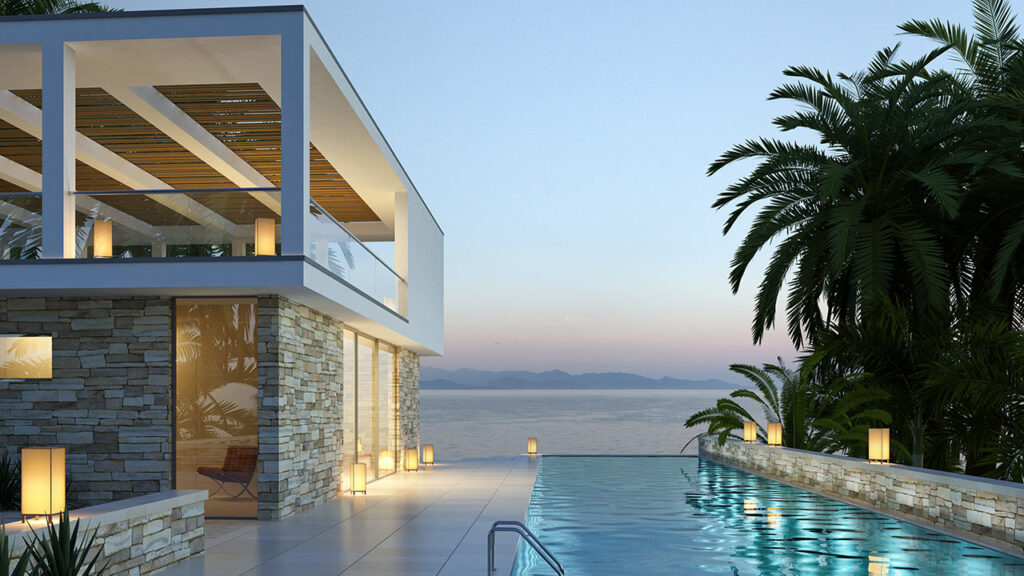
Luxury property development benefits multiple stakeholders. For developers, it offers opportunities for high returns on investment. By creating one-of-a-kind properties, they attract global buyers and investors seeking unique assets.
For residents, these developments provide not only comfort but also prestige. Amenities such as private gyms, rooftop gardens, and concierge services enhance lifestyle quality. Beyond status, luxury homes deliver practical benefits such as privacy, security, and long-term value preservation.
Use Cases of Luxury Property Development
Use Case 1: Global Investment Portfolios
High-net-worth individuals often include luxury developments in their global real estate portfolios. These properties provide both a secure financial asset and a lifestyle retreat, ensuring a balance between profitability and personal use.
This use case addresses the problem of market volatility by offering tangible, high-value assets that hold or increase value over time.
Use Case 2: Urban Lifestyle Transformation
Luxury developments in city centers, such as Canary Wharf in London or Hudson Yards in New York, address the problem of urban density by offering private sanctuaries within bustling environments. They provide access to city conveniences without compromising exclusivity.
This highlights how luxury property development solves the challenge of balancing centrality with privacy.
Use Case 3: Eco-Conscious Living
Sustainable developments meet the needs of affluent buyers concerned about environmental impact. By offering renewable energy solutions, green building practices, and eco-friendly amenities, developers appeal to buyers seeking both luxury and responsibility.
This use case demonstrates how developers solve the issue of aligning opulence with sustainability, creating homes that represent both indulgence and ethical living.
Why Luxury Property Development is the Future of Real Estate
Luxury property development is more than a niche; it is the vanguard of real estate innovation. By merging architecture, technology, sustainability, and lifestyle, it sets the standard for broader industry practices.
As global demand continues to rise, developers who focus on innovation, eco-consciousness, and cultural integration will lead the market. For buyers and investors, luxury property represents not just a home but a statement, an investment, and a lifestyle.
Frequently Asked Questions
1. What makes a property development “luxury”?
Luxury property development is defined by its exclusivity, architectural design, premium amenities, and integration of lifestyle features. It goes beyond price, emphasizing quality, innovation, and prestige.
2. How does technology enhance luxury property development?
Technology enhances both design and living experiences. Developers use VR tours, 3D renderings, and AI marketing tools to attract buyers, while smart-home systems provide convenience, security, and efficiency for residents.
3. Is sustainability important in luxury property development?
Yes, sustainability is now a critical factor. Buyers increasingly demand eco-friendly features like renewable energy, sustainable materials, and green architecture, making it an essential element in modern luxury projects.