Commercial Real Estate Equity: In-Depth Guide to Building Wealth and Ownership Strategies
Commercial real estate equity represents the ownership interest that an investor holds in a property after accounting for liabilities such as loans or mortgages. It is essentially the difference between the property’s market value and the outstanding debt. This ownership stake is one of the most powerful wealth-building tools in real estate because it reflects both financial control and long-term growth potential.
Equity in commercial real estate (CRE) is not just a static figure. It evolves through loan repayment, property appreciation, and capital improvements. For investors, this growing equity provides leverage for refinancing, reinvestment, or securing new projects. It also acts as a buffer during market downturns, ensuring stability when other assets fluctuate.
How Commercial Real Estate Equity is Built

Property Appreciation
Over time, properties often increase in value due to location development, market demand, or broader economic growth. This natural appreciation directly adds to equity since the gap between the property’s value and the loan balance widens.
Loan Amortization
Each mortgage payment reduces the loan’s principal balance. As the debt decreases, the investor’s ownership stake or equity increases. This steady repayment builds a secure foundation for financial leverage.
Capital Improvements
Renovating or upgrading commercial properties significantly boosts their market value. Whether it’s modernizing an office building, adding green technology, or expanding a warehouse, these improvements accelerate equity growth.
Example 1 – A Downtown Office Skyscraper
A classic example of commercial real estate equity can be seen in a downtown office skyscraper. Investors initially purchase the property with significant financing. Over the years, as tenants pay rent, the loan balance decreases while the building’s location and prestige fuel appreciation.
The equity built in such a property becomes a powerful asset. Owners can refinance the tower to unlock capital for new acquisitions, or they can sell the property at a profit while retaining years of accumulated equity. This case highlights how CRE equity works as both a financial tool and a long-term growth engine.
Example 2 – A Mixed-Use Commercial Complex
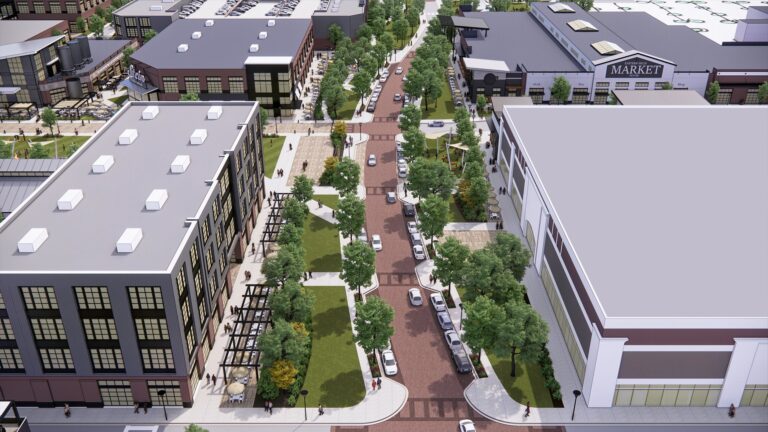
Mixed-use complexes that combine retail, office, and residential spaces provide another compelling equity example. An investor syndicate may fund the initial development, but as the property matures and occupancy rates increase, its value rises sharply.
With multiple income streams, rent from apartments, office tenants, and retail stores, the property becomes more valuable. This growth translates into higher equity for investors, who can reinvest or expand the project further. The ability to diversify income sources strengthens equity positions and mitigates risk.
Example 3 – A Logistics Distribution Center
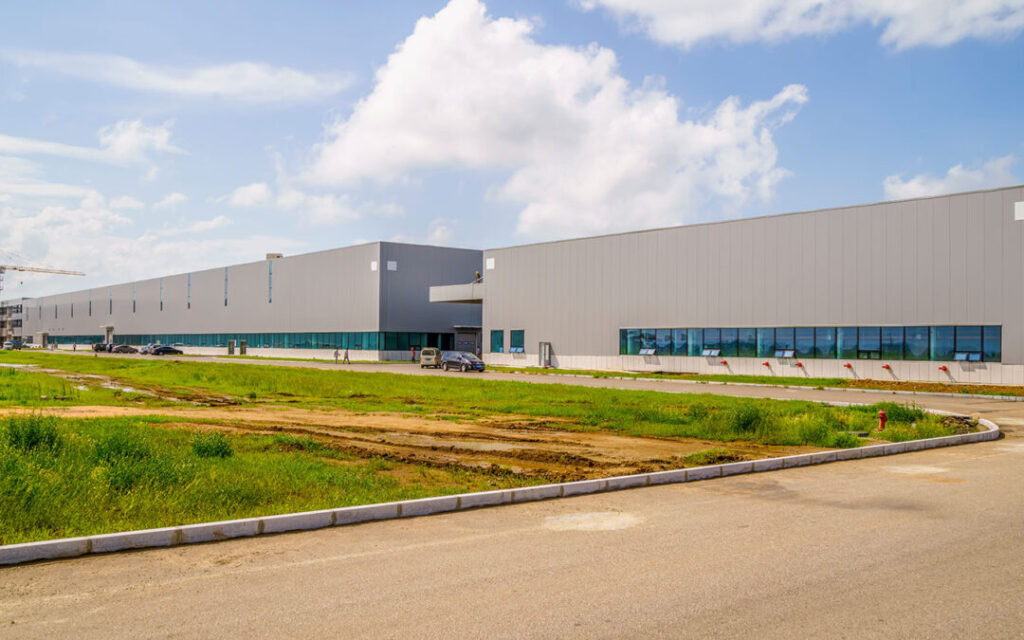
Industrial real estate has surged due to the rise of e-commerce. Consider a large distribution center located near major highways. Initially financed with debt, the facility gains long-term tenants such as global logistics companies.
As demand for industrial space grows, the property appreciates in value. Meanwhile, reliable rent payments reduce the outstanding debt. The combined effect builds significant equity. Investors often leverage this equity to expand into additional warehouses, creating a cycle of reinvestment and portfolio expansion.
Example 4 – Multifamily Apartment Community
A multifamily apartment community with hundreds of rental units is a practical example of steady equity growth. The property begins with a mortgage, but consistent rental payments cover debt obligations while ensuring positive cash flow.
Over time, rental demand in urban areas increases, raising the property’s value. Investors further boost equity by upgrading amenities, adding sustainable features, and repositioning the property for higher-income tenants. This not only increases market value but also strengthens the equity position substantially.
Benefits of Building Equity in Commercial Real Estate
Long-Term Wealth Accumulation
Equity in CRE creates wealth that compounds over time. As property values rise and debts decline, investors accumulate a growing financial asset. This ownership interest becomes a cornerstone of personal or institutional wealth.
Financial Leverage for Expansion
One of the biggest advantages of equity is leverage. Investors can use equity to secure financing for new projects without liquidating existing assets. This enables portfolio growth and diversification without reducing ownership in current holdings.
Stability and Security
Equity provides a cushion against volatility. Even in challenging market conditions, investors with strong equity positions can withstand temporary income disruptions. The tangible nature of real estate adds another layer of financial security.
How Technology Enhances Equity in Commercial Real Estate

Advanced Data Analytics
Technology enables investors to analyze market trends, forecast property appreciation, and monitor equity growth in real time. Data-driven platforms help investors identify which assets will generate stronger equity over time.
Smart Building Systems
IoT-enabled smart systems improve energy efficiency, reduce maintenance costs, and enhance tenant satisfaction. These improvements directly increase property value, contributing to equity growth while lowering operational expenses.
Digital Equity Platforms
Crowdfunding and syndication platforms have made equity participation in CRE accessible to more investors. These platforms offer transparency into ownership stakes, financial performance, and projected returns, making equity management more efficient and inclusive.
Real-World Use Cases of Commercial Real Estate Equity
Urban Revitalization
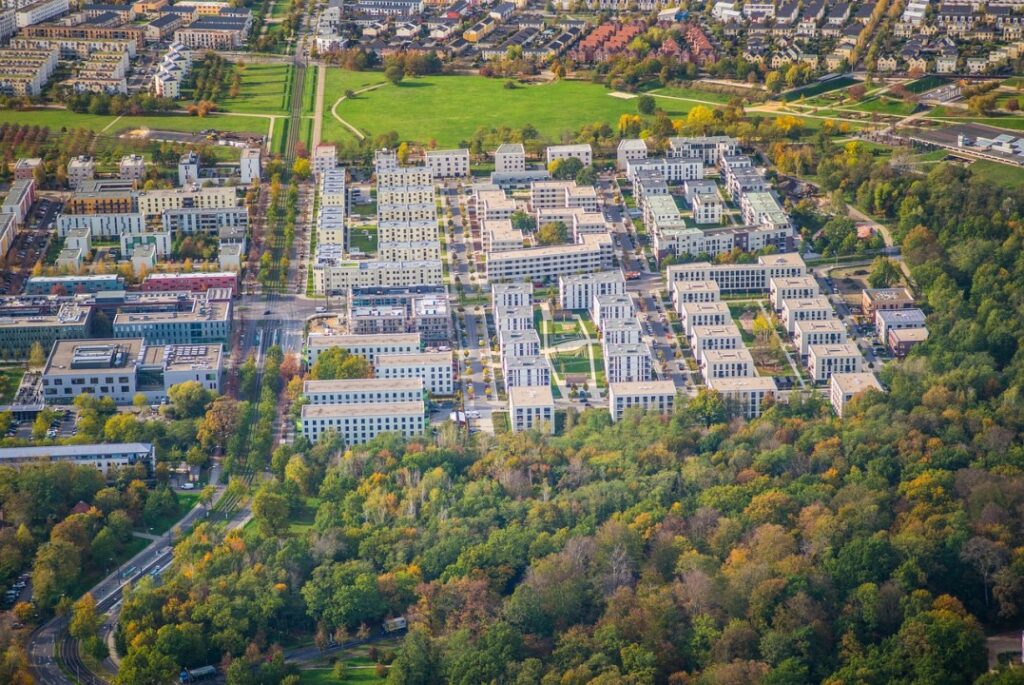
Investors have used CRE equity to transform neglected districts into vibrant communities. By renovating old commercial properties, equity is built while also stimulating local economies and attracting new tenants.
Green and Sustainable Developments
Sustainability initiatives often boost equity. For instance, converting an outdated office building into a LEED-certified green building increases property value. Equity grows alongside rising demand for eco-friendly commercial spaces.
Logistics Expansion
Equity financing in industrial properties supports the expansion of global supply chains. By reinvesting equity into new distribution hubs, investors help companies meet consumer demand while strengthening their portfolios.
Affordable Housing Projects
CRE equity plays a role in addressing housing shortages. By investing in multifamily communities, developers not only increase equity value but also provide essential housing solutions to middle-income families.
Challenges in Building and Managing CRE Equity
Market Cycles
Economic downturns can decrease property values, reducing equity temporarily. Investors must be prepared for these cycles and plan accordingly.
High Capital Requirements
CRE equity often requires substantial upfront investment, which may limit access for smaller investors. However, syndication and partnerships are creating more opportunities for participation.
Management Demands
Managing commercial properties is complex. Tenant relations, compliance, and maintenance all affect property value and, therefore, equity growth. Active management is essential to protect ownership interests.
Frequently Asked Questions (FAQ)
1. How is commercial real estate equity calculated?
Equity is calculated by subtracting the outstanding mortgage or loan balance from the property’s current market value. For example, if a property is worth $12 million and the loan is $7 million, the equity equals $5 million.
2. Why is commercial real estate equity important for investors?
Equity represents ownership and long-term wealth. It enables refinancing, portfolio growth, and financial security, making it a cornerstone of commercial real estate investing.
3. Can small investors access commercial real estate equity opportunities?
Yes, smaller investors can participate through syndications, crowdfunding platforms, or Real Estate Investment Trusts (REITs). These options allow individuals to pool resources and share equity in large-scale properties.