Office Rental Property: In-Depth Guide to Benefits, Examples, and Real-World Use Cases
Office rental property refers to commercial spaces leased by businesses for short-term or long-term use. These properties can range from small coworking spaces to entire floors in premium office towers. Renting instead of buying offers businesses the ability to remain flexible, adjust operations as needed, and avoid large upfront capital investment.
For startups, entrepreneurs, and even multinational corporations, office rental property is a core strategy that enables access to prime locations without the risks of property ownership. As work models evolve, rental spaces are increasingly equipped with modern amenities, technology integration, and flexible contracts. This makes them a practical solution for companies of all sizes.
Why Businesses Choose Office Rentals Over Ownership
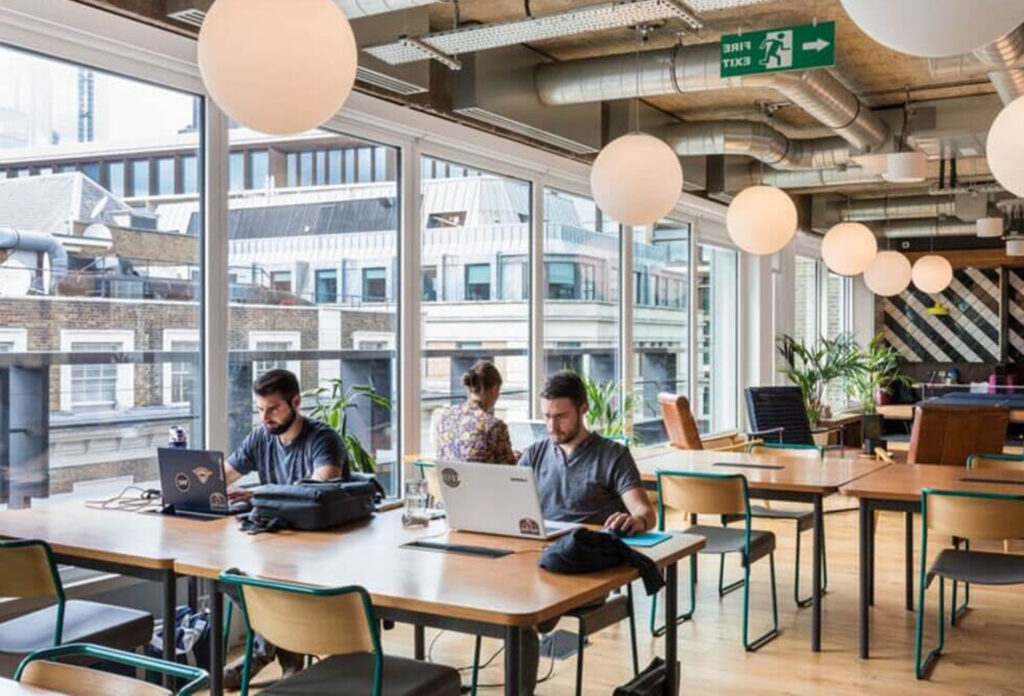
Leasing an office property provides organizations with agility in a rapidly changing business environment. With fewer financial commitments, companies can allocate resources to growth areas rather than immobilizing capital in real estate purchases.
Office rentals also provide access to modern infrastructure, often located in strategic business districts. By choosing to rent, organizations can establish a professional presence in sought-after locations, something that would be cost-prohibitive through purchase.
Real-World Examples of Office Rental Property
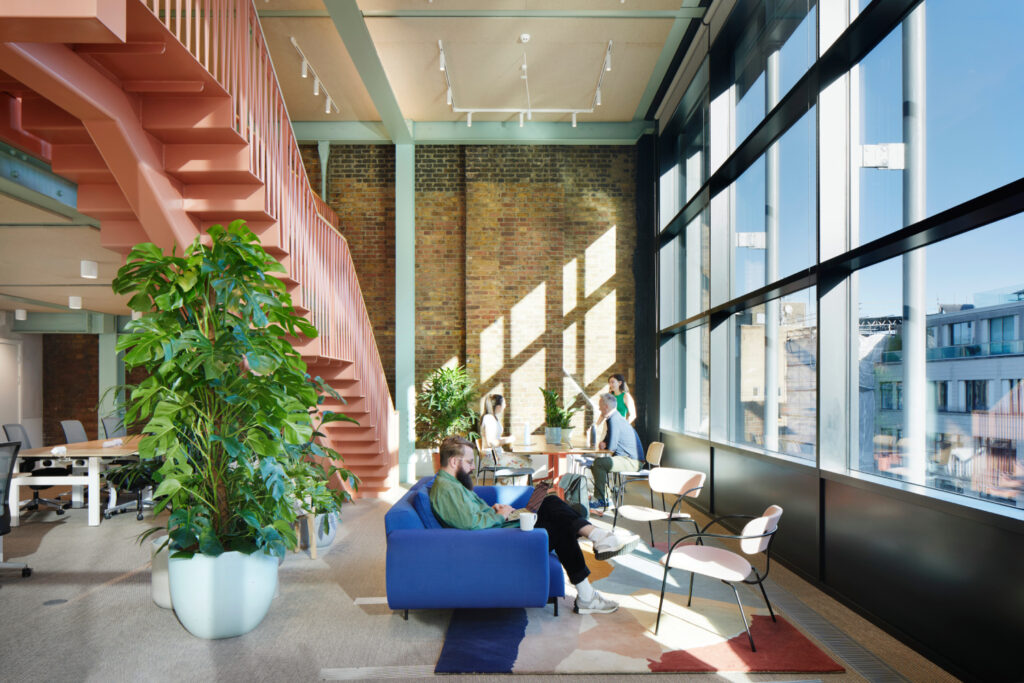
Example 1: Flexible Coworking Hubs
Coworking hubs represent a modern form of office rental property. These shared spaces are designed to serve freelancers, small businesses, and even corporate teams. Beyond just providing desks, coworking hubs offer access to community events, networking opportunities, and collaborative environments.
These spaces are particularly relevant for companies that value flexibility. Contracts are often available every month, and businesses can scale up or down based on their needs. By using coworking hubs, companies gain the benefits of professional office amenities without the commitment of traditional leases.
Example 2: Serviced Office Suites
Serviced offices provide fully furnished workspaces equipped with everything a company needs—from high-speed internet to reception services. They are turnkey solutions that allow businesses to move in and begin operations immediately.
Such setups are ideal for firms expanding into new cities or countries. By renting a serviced office, businesses can establish a presence quickly and project professionalism to clients while avoiding the administrative challenges of setting up from scratch.
Example 3: Corporate Headquarters in Prime Districts
Some businesses opt for long-term office rentals in prestigious business districts to establish their corporate headquarters. These spaces are strategically chosen for their location, prestige, and access to clients or investors.
The advantage lies in perception and convenience. A headquarters in a prime district signals credibility and success while offering proximity to major transportation hubs and other corporate players. Renting such a property allows businesses to enjoy these benefits without tying up capital in ownership.
Example 4: Specialized Rental Spaces for Startups
Certain office rental properties are designed with startups in mind. They offer small yet functional spaces, often bundled with mentorship programs, business services, and networking platforms.
These rentals not only provide affordable workspaces but also connect startups with potential investors and collaborators. This makes them more than just physical spaces; they become ecosystems for growth and innovation.
Benefits of Office Rental Property
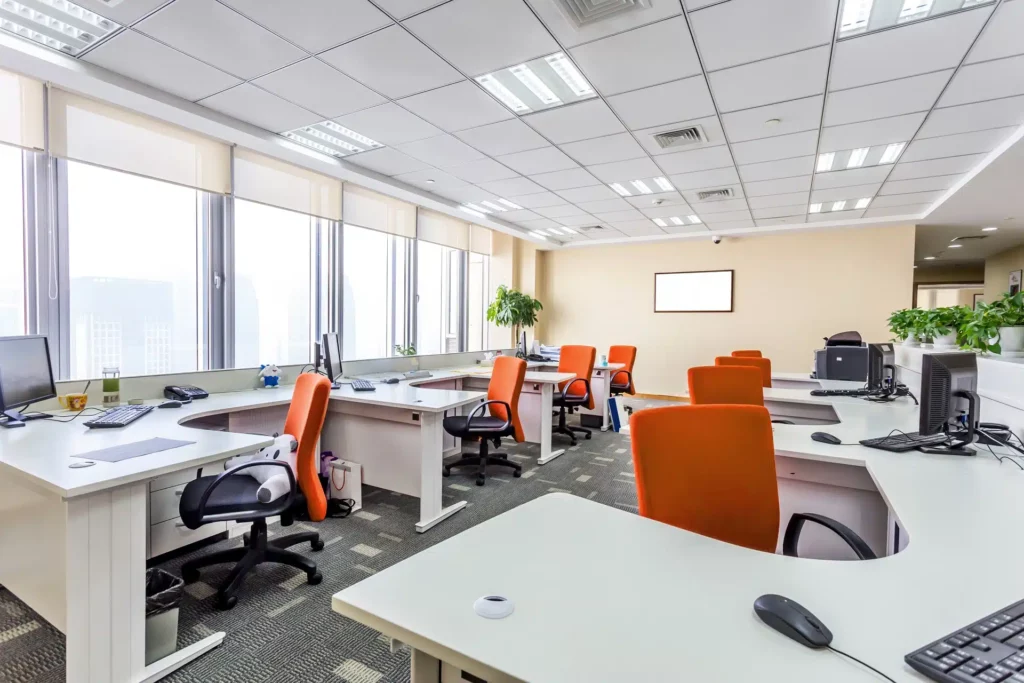
One of the biggest benefits of renting an office property is flexibility. Businesses can adapt their workspace to changing staff sizes and operational needs without worrying about selling or renovating owned properties.
Another advantage is reduced financial risk. Renting requires less upfront capital, enabling companies to invest more in talent, product development, and marketing. Additionally, many rental offices come with included services like cleaning, security, and maintenance, lowering operational burdens.
Technology integration in modern office rentals adds further value. From smart conference rooms to cloud-based security systems, rentals increasingly come equipped with digital solutions that enhance productivity and efficiency.
Practical Use Cases of Office Rental Property
Expanding Into New Markets
When companies test a new geographic market, office rentals allow them to establish a presence quickly and affordably. Instead of committing to property ownership, they can evaluate market potential before making long-term decisions.
Scaling Startups
For startups experiencing rapid growth, renting allows them to adjust workspace capacity as teams expand. Instead of outgrowing a fixed office, they can easily shift to larger rental spaces or add coworking memberships.
Hybrid and Remote Work Solutions
With the rise of hybrid work, office rental properties provide flexible arrangements where employees can collaborate in person when needed. Businesses can maintain smaller core offices while renting meeting rooms or coworking spaces as required.
Project-Based Operations
Some organizations manage large-scale projects that require temporary teams. Renting an office property for the project duration offers the right infrastructure without permanent commitment.
Frequently Asked Questions
What is the difference between leasing and renting office property?
Leasing typically involves long-term agreements, often spanning several years, while renting can include shorter-term contracts. Both provide businesses with flexibility compared to ownership, but renting is generally more adaptable for startups and small businesses.
Are office rental properties suitable for small businesses?
Yes. Many office rental options are designed specifically for small businesses and startups. Coworking spaces and small serviced offices are affordable, provide professional environments, and allow for growth flexibility.
What amenities are usually included in office rental properties?
Amenities vary, but many modern office rentals include high-speed internet, reception services, cleaning, meeting rooms, security, and access to networking or business events. Some even offer advanced technology features like smart conference facilities.