Opendoor Real Estate: Complete Guide to iBuying, Technology, and Real-World Use Cases
Opendoor real estate represents one of the most transformative models in modern property transactions. Founded in 2014, Opendoor pioneered the concept of iBuying, where homeowners can sell their properties quickly through an online platform without the traditional delays of the housing market. The company’s mission has been to simplify one of life’s most stressful processes, buying and selling homes, by offering transparency, speed, and certainty.
Unlike traditional brokerages, Opendoor uses data-driven pricing models and technology to make instant offers on homes. Sellers can avoid showings, negotiations, and long closing times, while buyers gain access to properties that have been vetted and listed directly by Opendoor. This dual approach has positioned Opendoor as a disruptive force in real estate.
How Opendoor Real Estate Works
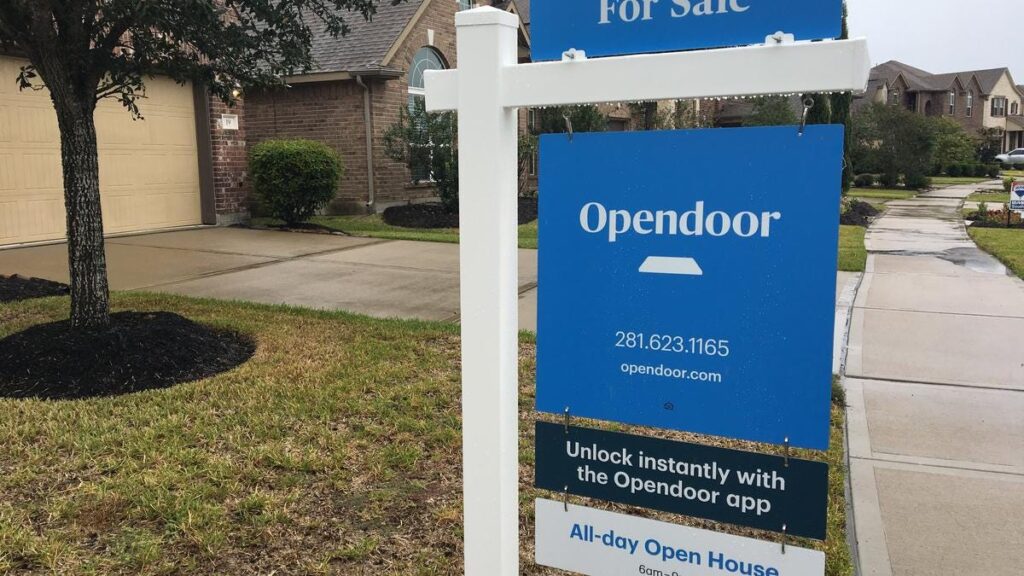
The Opendoor model is built on simplicity. Homeowners input their property details online, and Opendoor uses advanced algorithms to analyze comparable market data, condition assessments, and demand trends. Within a short time, sellers receive an instant cash offer.
Once an offer is accepted, the closing process can be completed in as little as two weeks. For buyers, Opendoor lists properties on its platform, often with features such as self-tours, virtual walkthroughs, and transparent pricing. This creates a seamless digital marketplace where both sides benefit from reduced friction.
Why Opendoor Real Estate Is Changing the Market
Reducing Complexity for Sellers
Traditional selling involves staging homes, hosting open houses, and waiting months for offers. Opendoor eliminates these hurdles by offering direct sales at competitive market prices. Sellers appreciate the certainty of knowing their home will sell without contingencies or last-minute financing issues.
Creating Accessibility for Buyers
For buyers, Opendoor simplifies property discovery. Features like app-based self-guided tours empower potential buyers to view homes on their schedule, while transparent pricing ensures confidence in making offers. This consumer-centric approach aligns with modern expectations for convenience.
Real-World Examples of Opendoor Real Estate
Example 1: Dallas, Texas Expansion
When Opendoor entered the Dallas market, it quickly became a top choice for sellers who wanted fast, reliable transactions. The company’s offers reflected local housing trends, and many homeowners opted for speed over traditional waiting periods. This case showed how Opendoor adapted to regional market dynamics.
Example 2: Phoenix, Arizona Pilot Market
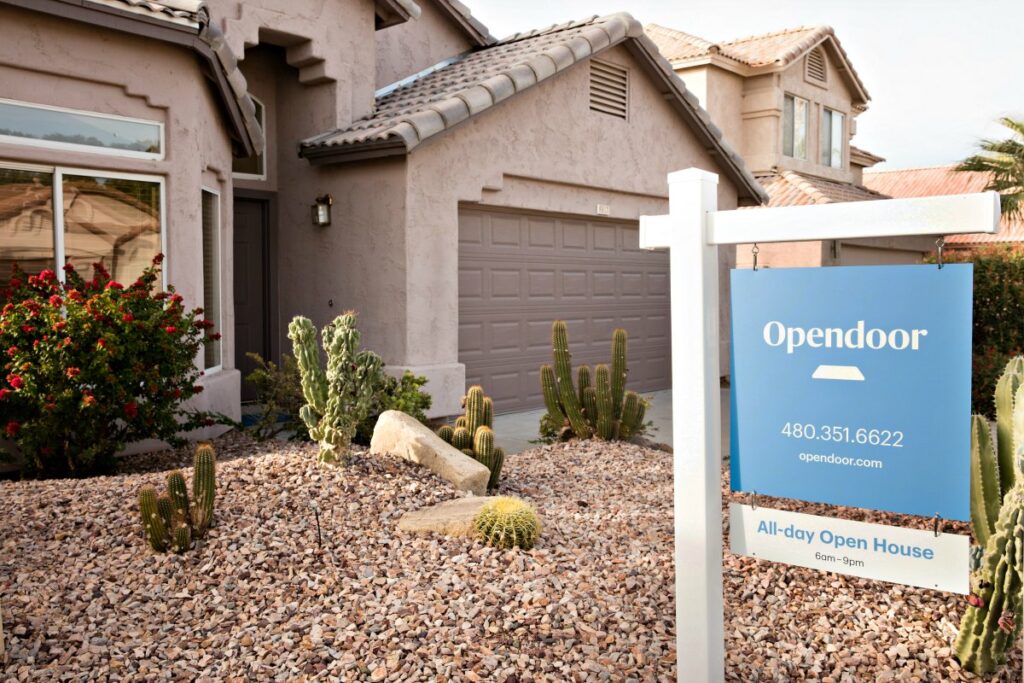
Phoenix was one of the first cities where Opendoor launched. The company successfully tested its iBuying model in a city known for rapid housing growth. Homeowners benefited from avoiding long delays, while buyers had access to properties listed directly through the platform. This success validated the iBuyer model.
Example 3: Atlanta, Georgia, Adoption
Atlanta’s diverse housing market presented unique challenges. However, Opendoor became a popular option for families relocating for work. With its quick process, families could transition without the stress of overlapping mortgages or extended selling times. This highlighted Opendoor’s usefulness for relocation scenarios.
Example 4: Integration with Zillow Offers
In 2022, Opendoor partnered with Zillow to power instant home offers on Zillow’s platform. This collaboration extended Opendoor’s reach to Zillow’s massive user base, reinforcing its role as a central player in digital real estate transactions.
Benefits of Using Technology in Opendoor Real Estate

Opendoor’s entire business model is built on technology. Its algorithm-driven pricing models rely on vast amounts of real estate data to ensure fair offers. Machine learning considers property conditions, neighborhood trends, and comparable sales, reducing the risk of mispricing.
For buyers, technology enhances the home shopping experience. Virtual tours, mobile app scheduling, and automated notifications create convenience. Sellers benefit from digital dashboards that track progress from offer acceptance to closing. These tools streamline processes that would otherwise require multiple intermediaries.
Practical Advantages of Opendoor Real Estate
-
Speed: Sellers can close transactions in weeks rather than months.
-
Certainty: Cash offers eliminate financing risks and last-minute deal failures.
-
Convenience: Digital platforms simplify listing, touring, and closing.
-
Transparency: Clear pricing models help both sellers and buyers feel confident.
-
Flexibility: Sellers can choose their closing date, allowing better transition planning.
These advantages position Opendoor as an appealing option for homeowners who prioritize simplicity and buyers who want seamless access to properties.
Use Cases of Opendoor Real Estate
Relocation for Work
Families moving across states often need to sell quickly. Opendoor’s instant offers and fast closings solve the problem of juggling two mortgages or temporary housing.
Downsizing or Upsizing
Empty nesters looking to downsize and growing families needing larger spaces can benefit from Opendoor’s efficient process. The platform reduces the stress of timing both sales and purchases.
Inherited Properties
Heirs managing inherited homes often seek quick solutions. Opendoor provides liquidity without requiring heirs to handle repairs, staging, or prolonged negotiations.
Avoiding Foreclosure
For homeowners facing financial hardship, Opendoor can be a lifeline by offering fast transactions that prevent the property from entering foreclosure proceedings.
Frequently Asked Questions
1. Is Opendoor real estate a safe option for selling my house?
Yes, Opendoor is considered a safe and transparent platform. It provides cash offers backed by data and ensures clear terms, eliminating common risks associated with traditional sales.
2. How does Opendoor make money?
Opendoor earns through service fees, resale of properties, and partnerships. While offers are competitive, the company maintains profitability by reselling homes efficiently.
3. Does Opendoor work in all markets?
No, Opendoor currently operates in selected metropolitan areas. Its expansion strategy focuses on regions with strong housing demand and data availability to support accurate pricing models.