Orchard Homes: Complete Guide to Living, Investing, and Building in Orchard Communities
Orchard homes are a unique blend of residential living and agricultural beauty. They are properties designed within or around fruit orchards, offering both a peaceful lifestyle and a sustainable connection with nature. Historically, these homes were built on family-owned farmlands, where residents grew apples, peaches, oranges, or other fruit-bearing trees. Today, orchard homes are admired not only for their charm but also for their balance of practicality and sustainability.
Unlike standard suburban houses, orchard homes are often surrounded by greenery, providing a healthier environment and a sense of community. They appeal to those who want more than a house; they want a lifestyle that supports both relaxation and productivity. From farm-to-table enthusiasts to real estate investors seeking unique property value, orchard homes hold timeless appeal.
Why Orchard Homes Are Gaining Popularity

The demand for orchard homes has grown as people look for healthier lifestyles, sustainable living, and stronger connections to their food sources. With rising concerns about urban pollution and crowded cities, many families are moving to areas where they can enjoy fresh air and self-sufficiency. Orchard homes provide exactly that, a home where residents can cultivate their own produce while living in a comfortable environment.
Additionally, orchard homes often represent long-term investment value. Properties within orchards or orchard-style communities tend to maintain their appeal, as they are tied to green living and food security trends. Real estate developers are also recognizing the growing demand, creating modern orchard communities that blend luxury with sustainability.
Characteristics of Orchard Homes
Natural Integration with Environment
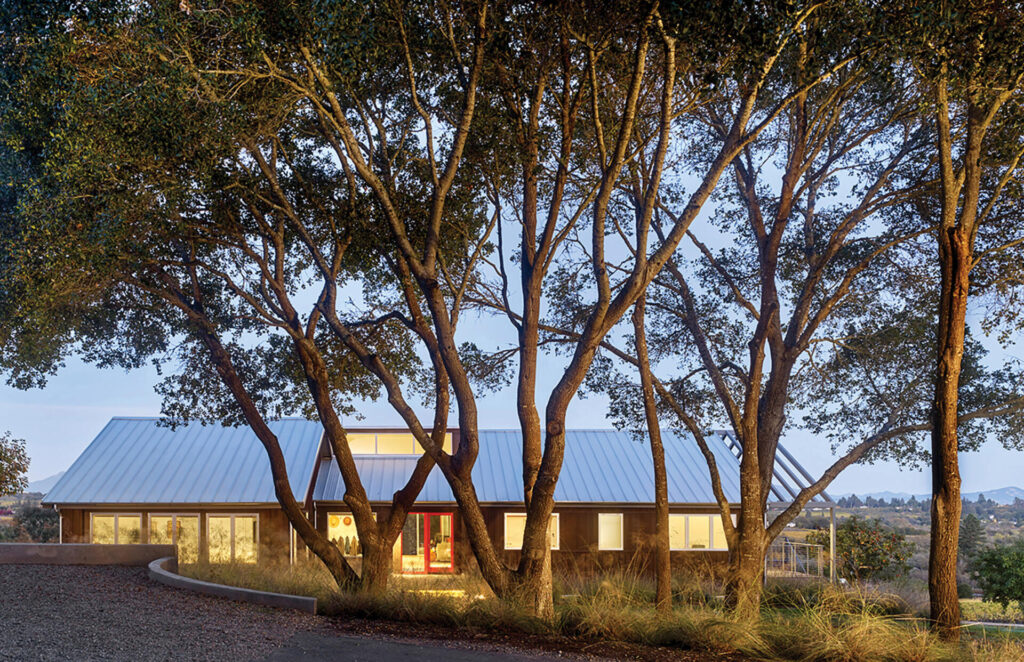
Orchard homes are designed to harmonize with nature. They feature large windows, open yards, and orchard rows that allow residents to feel immersed in greenery. The connection to nature reduces stress, improves mental health, and creates a unique lifestyle experience.
Blend of Tradition and Modern Living
While orchard homes originated from traditional farmlands, modern designs incorporate technology and contemporary architecture. Smart irrigation systems, energy-efficient construction, and eco-friendly designs are now common in orchard communities, making them appealing to modern homeowners.
Real-World Examples of Orchard Homes

Example 1: Orchard Homes in Missoula, Montana
In Missoula, Montana, a neighborhood called Orchard Homes has become a well-known residential area. Originally farmland with extensive orchards, it has evolved into a thriving community where nature and modern living coexist. Residents still enjoy the green landscapes, wide-open spaces, and a slower pace of life compared to urban centers. This example shows how orchard homes can transform over time while retaining their natural charm.
Example 2: Apple Orchard Homes in Washington State
Washington State, famous for its apple orchards, features numerous orchard homes integrated within family-owned lands. Many homeowners not only enjoy living in these properties but also take part in small-scale apple production. This example demonstrates how orchard homes can be both residential and productive, providing both lifestyle satisfaction and economic opportunity.
Example 3: Orchard-Integrated Villas in Napa Valley, California
In Napa Valley, luxury villas are often built near or within orchards and vineyards. These homes cater to buyers seeking a balance between elegance and agricultural charm. The homes are designed with modern amenities while maintaining the natural beauty of the orchards. This highlights how Orchard Homes can appeal to high-end buyers who value eco-friendly luxury living.
Example 4: Eco-Friendly Orchard Communities in Asia
In some parts of Asia, especially in countries like Malaysia and Thailand, developers are building eco-villages with orchard homes. These communities allow residents to live sustainably while growing tropical fruits like mangoes and durians. The integration of green energy, rainwater harvesting, and smart farming techniques shows how orchard homes are becoming global symbols of sustainable living.
Benefits of Technology for Orchard Homes
Technology has revolutionized the way orchard homes function. Smart irrigation systems allow residents to water trees efficiently, reducing waste and ensuring healthy crops. Drones can be used to monitor orchards, identifying tree health and pest issues before they spread. This blend of technology with traditional orchard living makes it easier for homeowners to manage their land effectively.
Home automation also plays a role. Smart lighting, solar panels, and energy-efficient construction reduce utility costs and environmental impact. Technology enables orchard homeowners to enjoy both comfort and sustainability without sacrificing convenience.
Practical Advantages of Orchard Homes
-
Sustainable Living: Orchard homes encourage self-sufficiency through personal fruit production.
-
Health and Wellness: Surrounded by nature, residents enjoy cleaner air, outdoor activity, and reduced stress.
-
Investment Value: Orchard homes often maintain strong real estate value due to their uniqueness and appeal.
-
Community and Culture: Orchard neighborhoods foster stronger ties among residents, often centered around shared green spaces.
-
Balance of Work and Leisure: With modern technology, orchard homes can support both farming and remote work lifestyles.
Use Cases of Orchard Homes
Ideal for Families Seeking Healthier Lifestyles
Families who want to teach children about nature and healthy living find Orchard Homes ideal. Kids can experience firsthand how fruits grow, creating educational and wellness benefits that urban living cannot provide.
Perfect for Retirees Seeking Peace and Productivity
Retirees often choose orchard homes to enjoy a slower lifestyle while staying active through gardening and small-scale orchard management. This lifestyle supports both relaxation and meaningful daily activities.
Great for Eco-Conscious Investors
Eco-conscious investors see Orchard Homes as properties that align with sustainable trends. They can promote eco-friendly living while tapping into long-term value growth.
Support for Agri-Tourism Ventures
Some orchard homeowners turn their properties into agri-tourism destinations, offering tours, tastings, and farm experiences. This not only provides additional income but also promotes cultural appreciation for farming traditions.
Frequently Asked Questions
1. Are orchard homes only for rural areas?
Not necessarily. While orchard homes are often found in rural or semi-rural areas, modern developments are creating orchard-style communities even near suburban and urban zones, offering both convenience and green living.
2. Do orchard homes require farming experience?
No. Many orchard homes are designed for residential living, with optional farming activities. Residents can hire local orchard managers or use smart technology to maintain trees with minimal effort.
3. Why are orchard homes considered good investments?
Orchard homes combine lifestyle benefits with long-term real estate value. Their uniqueness, sustainability appeal, and integration with nature make them attractive to a wide range of buyers, ensuring steady demand.