Retail Real Estate Investing: Complete Guide with Benefits, Examples, and Use Cases
Retail real estate investing is one of the most established and profitable sectors in the commercial property market. It involves purchasing or financing properties designed for retail operations such as shopping centers, strip malls, standalone stores, or mixed-use developments. These investments provide both rental income and potential long-term appreciation, making them attractive to investors seeking stability and steady returns.
The appeal of retail real estate investing lies in its resilience. While consumer preferences evolve, physical retail spaces remain integral to communities. From everyday grocery shopping to lifestyle experiences in malls, tenants provide investors with consistent demand. As e-commerce and in-person shopping converge, the retail real estate landscape continues to transform, offering new opportunities for forward-thinking investors.
Understanding the Basics of Retail Real Estate Investing

Retail real estate encompasses properties leased to businesses that sell goods or services directly to consumers. These spaces range from small convenience stores to sprawling regional malls. Investors typically earn returns through rental income from tenants and potential appreciation in property value.
Leasing agreements in retail real estate often include features such as base rent, percentage rent based on sales, and shared maintenance costs. This creates a structured and often predictable income stream for investors. Moreover, the diversity of retail tenants from restaurants and supermarkets to clothing outlets and fitness centers reduces reliance on a single market sector.
Types of Retail Real Estate Investments
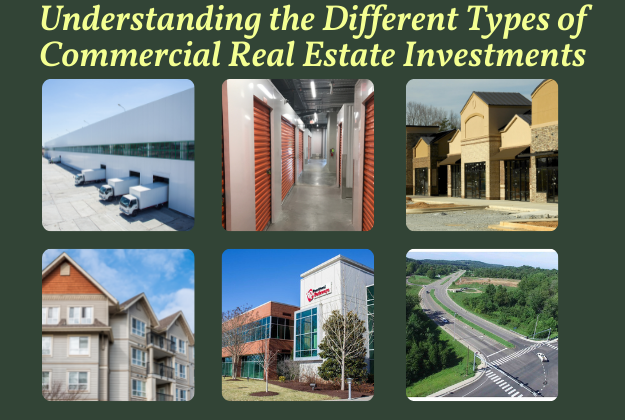
Shopping Centers
Shopping centers typically feature multiple tenants, ranging from anchor stores to small specialty shops. Their value comes from foot traffic and tenant mix, making them prime investments for long-term stability.
Standalone Stores
These are single-tenant properties such as pharmacies, quick-service restaurants, or banks. They often operate under long-term leases, providing investors with reliable income and lower management complexity.
Strip Malls
Strip malls consist of a row of stores with parking in front, commonly found in suburban areas. They attract local customers with everyday needs and are less vulnerable to online competition.
Mixed-Use Developments
Mixed-use properties integrate retail with offices, residential units, and entertainment spaces. They appeal to urban communities seeking convenience and lifestyle-focused living.
Real-World Examples of Retail Real Estate Investing
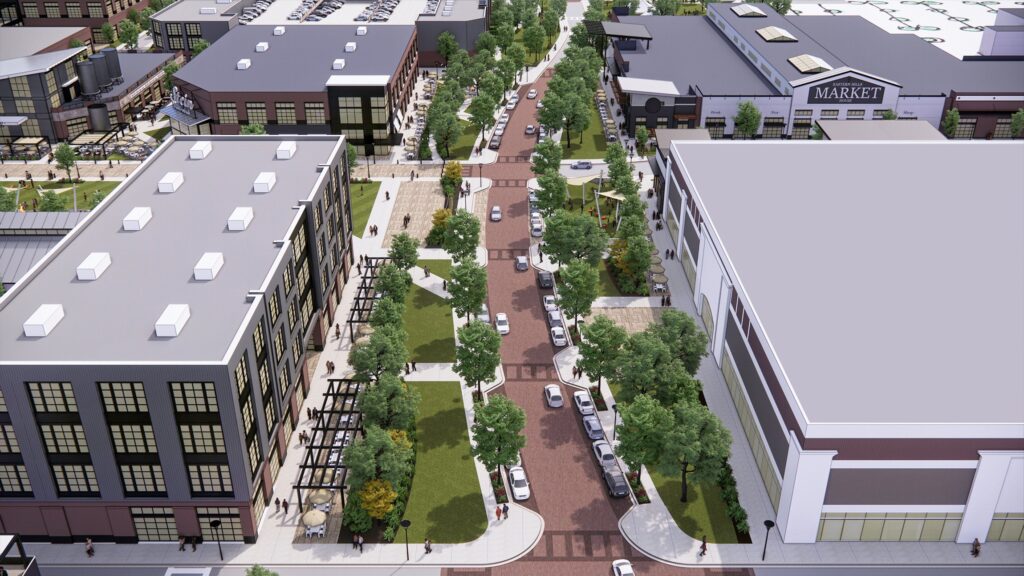
Example 1: Regional Shopping Mall Redevelopment
An investment firm acquired a regional shopping mall and repositioned it by adding entertainment venues, restaurants, and co-working spaces. By modernizing the property and diversifying tenant types, the mall regained relevance in a market facing e-commerce competition. This case shows how strategic redevelopment can unlock value in underperforming assets.
Example 2: Single-Tenant Grocery Store Property
An investor purchased a standalone grocery store leased to a national supermarket chain under a 20-year agreement. The long-term lease ensured stable rental income with minimal management effort. This example demonstrates the appeal of creditworthy tenants and reliable income streams in retail property investments.
Example 3: Suburban Strip Mall Investment
A real estate partnership invested in a suburban strip mall anchored by a pharmacy and several local businesses. The property thrived due to its convenience-driven tenants offering essential services like healthcare, dining, and personal care. The investment produced steady income, proving that community-focused retail remains resilient even in digital-heavy markets.
Example 4: Mixed-Use Lifestyle Development
Developers built a mixed-use property in a major city, integrating retail shops, restaurants, and apartments. Investors benefited from the property’s diverse income streams, as residents and office workers created a steady flow of retail customers. This example highlights how lifestyle-focused developments align with modern urban living trends.
Benefits of Retail Real Estate Investing
Retail real estate offers several advantages that make it a compelling option for investors:
-
Steady Cash Flow: Long-term leases with retail tenants often provide reliable income.
-
Tenant Diversity: Multiple tenants reduce the risk of vacancy affecting overall returns.
-
Potential Appreciation: Well-located retail properties tend to increase in value over time.
-
Inflation Hedge: Rental agreements often include escalation clauses, protecting against inflation.
-
Community Relevance: Retail spaces anchor local economies and serve as hubs of activity, ensuring ongoing demand.
These benefits make retail property a stable and strategic addition to investment portfolios, especially for those seeking consistent yields.
How Technology is Transforming Retail Real Estate Investing

Technology is revolutionizing the way investors evaluate, manage, and profit from retail real estate. Digital leasing platforms allow landlords to attract tenants more efficiently, while data-driven analytics reveal trends in consumer behavior and foot traffic patterns. This information helps investors position their properties for maximum profitability.
Smart building technology also enhances the value of retail investments. Energy-efficient systems, automated lighting, and IoT-enabled security improve tenant satisfaction and reduce operational costs. Virtual reality (VR) and augmented reality (AR) tools allow prospective tenants to visualize spaces, accelerating leasing decisions.
Additionally, e-commerce integration has spurred new hybrid models, such as showrooms and click-and-collect facilities, creating fresh opportunities for investors to support retailers adapting to digital consumer habits.
Practical Use Cases of Retail Real Estate Investing

Revitalizing Communities
Retail real estate investments can transform neighborhoods by bringing in new businesses, restaurants, and lifestyle amenities. Investors often play a key role in urban renewal projects that attract residents and stimulate local economies.
Supporting Essential Services
Properties leased to grocery stores, pharmacies, and healthcare providers provide stability, as these tenants fulfill everyday needs. Such investments weather economic cycles better than non-essential retail.
Capturing Experience-Driven Consumers
Modern retail is increasingly about experiences rather than just shopping. By investing in entertainment-rich spaces, investors can capture a growing demand for social, interactive, and lifestyle-based retail.
Enabling Hybrid Retail Models
As online shopping blends with physical experiences, investors who adapt properties for hybrid retail, such as showrooms or pickup points, can secure long-term relevance in a changing market.
Frequently Asked Questions
1. Is retail real estate investing still profitable with the rise of e-commerce?
Yes. While e-commerce has changed consumer habits, retail real estate investing remains profitable, especially in sectors like grocery stores, pharmacies, restaurants, and experience-driven retail. Properties that adapt to consumer trends continue to perform strongly.
2. What type of retail properties are considered the safest investments?
Single-tenant properties leased to creditworthy tenants (such as grocery chains or pharmacies) and community strip malls offering essential services are generally considered safer investments due to their consistent demand.
3. How does technology improve retail real estate investing?
Technology improves tenant acquisition, property management, and consumer engagement. Tools like data analytics, virtual tours, and smart building systems reduce costs, enhance tenant satisfaction, and help investors stay ahead of market trends.