Retail Rental Property: Complete Guide to Investment, Benefits, and Real-World Examples
Retail rental property refers to commercial real estate assets leased to businesses that sell goods or services directly to consumers. These properties include shopping centers, strip malls, standalone stores, and mixed-use spaces where retail tenants operate. Unlike residential investments, retail rental properties focus on attracting and retaining business tenants, making them a vital part of the commercial real estate sector.
Investing in retail rental property can generate steady income through long-term leases while offering opportunities for appreciation. For both individual investors and institutional players, these properties represent a balanced mix of cash flow, stability, and value growth.
Types of Retail Rental Properties
Shopping Centers
Shopping centers are clusters of retail stores located within a single development. They range from small neighborhood centers with a grocery anchor to large regional malls featuring multiple national brands.
These properties thrive on tenant synergy. A strong anchor tenant attracts foot traffic that benefits surrounding stores, creating a win-win environment for both retailers and property owners. Investors enjoy stable occupancy and rental growth when centers are well-located and professionally managed.
Standalone Retail Properties
Standalone retail spaces, such as big-box stores, pharmacies, or quick-service restaurants, represent another important segment. These properties often come with long-term, single-tenant leases that reduce management complexity.
For investors, standalone properties provide predictable income streams and lower tenant turnover. They also allow flexibility in location, often positioned in high-visibility areas with strong consumer demand.
Mixed-Use Developments
Mixed-use projects combine retail, residential, and office spaces within one property. Retail units on the ground floor attract both residents and office workers, generating consistent customer traffic.
These developments provide investors with diversified income streams. By blending different uses, mixed-use properties enhance resilience, even when one segment faces market challenges.
Example 1 – A Regional Shopping Mall
A regional shopping mall highlights the scale and potential of retail rental property investment. Featuring anchor tenants such as department stores and cinemas, alongside dozens of specialty retailers, it serves as a community hub.
Investors benefit from long-term leases with national brands, steady rental income, and property appreciation. Even with e-commerce competition, malls that adapt by integrating entertainment, dining, and experiential features maintain relevance and profitability.
Example 2 – A Standalone Grocery Store
A grocery-anchored retail property is a strong investment case. Grocery stores provide essential services, ensuring steady customer traffic regardless of economic cycles.
Such tenants typically commit to long leases, reducing vacancy risks. For investors, this creates stable returns and long-term equity growth. The grocery anchor also attracts smaller retailers, further boosting property performance.
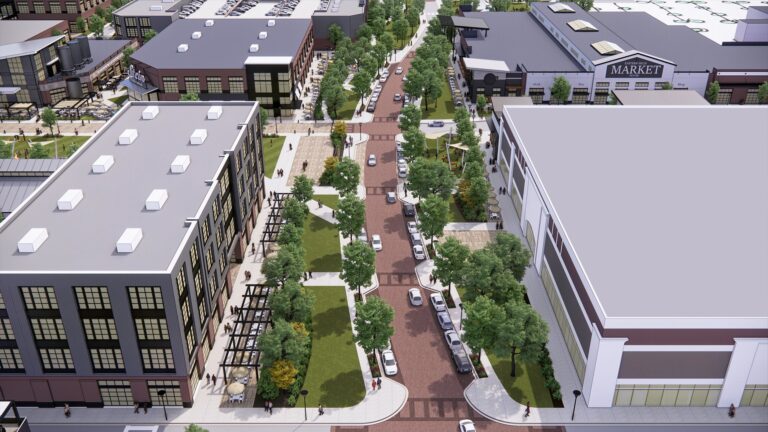
Example 3 – A Mixed-Use Urban Development
Mixed-use retail properties in urban areas showcase how retail rental spaces can thrive within broader communities. Ground-floor shops serve residents in upper-level apartments and employees in nearby offices.
Investors gain consistent rental income across multiple asset types while benefiting from urban demand. Mixed-use developments often enjoy higher occupancy rates, as diverse tenant bases contribute to property resilience and long-term appreciation.
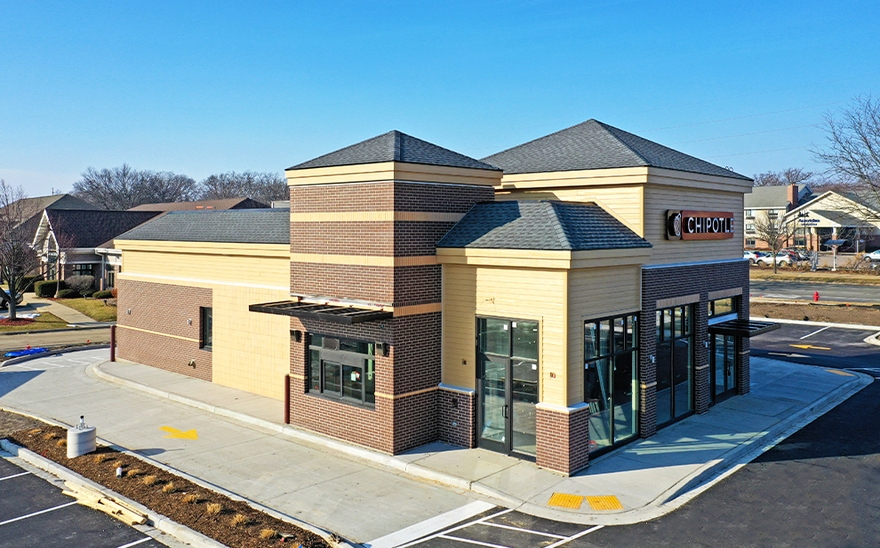
Example 4 – A Quick-Service Restaurant Location
Quick-service restaurants (QSRs) are popular standalone retail rental properties. Tenants like coffee shops, fast-food chains, or casual dining outlets typically secure prime, high-traffic locations.
These leases often span a decade or more, providing investors with reliable income. QSR properties remain resilient as food and beverage demand persists regardless of shifting consumer trends.
Key Benefits of Retail Rental Property
Steady Income from Long-Term Leases
Retail tenants often commit to multi-year leases, ensuring predictable cash flow for property owners. This stability makes retail rental property a reliable income-producing asset.
Appreciation and Equity Growth
As prime retail locations become scarcer, property values tend to rise over time. Investors can leverage appreciation to build equity, refinance, or expand their portfolios.
Diversification of Investment Portfolios
Retail rental property adds tangible, income-generating assets to investment portfolios. This diversification reduces reliance on volatile financial markets while offering physical property value.
Tenant Responsibility for Expenses
Many retail leases, such as triple-net agreements, shift property expenses like taxes, insurance, and maintenance onto tenants. This arrangement reduces owner costs and increases profitability.
How Technology Enhances Retail Rental Property Investment

Smart Building Systems
Retail spaces equipped with smart HVAC, lighting, and security systems attract tenants seeking efficient operations. Technology reduces utility costs, improving profitability for both owners and tenants.
Data Analytics for Consumer Trends
Advanced analytics help investors and managers understand shopper behavior, tenant performance, and market demand. These insights guide property improvements and leasing strategies.
Digital Leasing Platforms
Online platforms simplify tenant acquisition, lease management, and rent collection. They reduce administrative workload and provide transparency, streamlining operations for both investors and tenants.
Virtual Tours and Marketing
Virtual property tours and 3D visualization tools allow prospective tenants to explore spaces remotely. This expands reach, shortens vacancy periods, and enhances the leasing process.
Real-World Use Cases of Retail Rental Property
Revitalization of Urban Centers
Investors often use retail rental property to revitalize declining downtown areas. By introducing grocery stores, restaurants, and specialty retailers, these projects attract foot traffic and restore community vibrancy.
Supporting Local Entrepreneurs
Retail rental properties offer small business owners access to prime locations. Flexible spaces in strip centers or mixed-use developments provide entrepreneurs with the opportunity to grow while strengthening tenant diversity for investors.
Creating Lifestyle Destinations
Shopping malls and retail complexes increasingly transform into lifestyle centers. By integrating entertainment, coworking, and dining, retail rental properties meet evolving consumer expectations while sustaining profitability.
Strengthening Essential Services
Standalone retail properties leased to pharmacies, clinics, and grocery stores ensure communities have access to essential goods and services. Investors benefit from recession-resistant tenants and reliable occupancy.
Challenges of Retail Rental Property Investment
Evolving Consumer Preferences
The rise of e-commerce continues to reshape retail. Properties that fail to adapt risk declining occupancy and value. Investors must prioritize adaptive design and diversified tenants.
Capital Requirements and Risk
Acquiring retail rental property demands significant upfront investment. Additionally, market downturns or tenant bankruptcies can impact returns, requiring careful financial planning.
Active Management Needs
Retail rental properties require professional management to maintain tenant relationships, ensure upkeep, and adapt to market changes. This active involvement is essential for sustaining long-term success.
Frequently Asked Questions (FAQ)
1. What is the main difference between retail rental property and other commercial real estate?
Retail rental property specifically serves consumer-facing businesses such as shops, restaurants, or service providers. Unlike office or industrial properties, retail spaces depend heavily on customer traffic and tenant mix.
2. Are retail rental properties still profitable with the growth of e-commerce?
Yes. While e-commerce has impacted traditional retail, well-located properties that adapt with mixed-use concepts, experiential retail, and essential service tenants remain highly profitable.
3. What role does technology play in managing retail rental properties?
Technology enhances efficiency, market insights, and tenant attraction. Smart building systems, data analytics, and digital leasing platforms improve operations while virtual tours support faster tenant acquisition.