Selling Luxury Homes: Expert Guide with Insights, Strategies, and Real-World Examples
Selling luxury homes is an entirely different process compared to selling traditional properties. Luxury real estate represents exclusivity, status, and lifestyle, and potential buyers in this market have unique expectations. The process requires not just knowledge of the market but also a deep understanding of client psychology, premium marketing strategies, and presentation techniques that highlight the property’s value beyond its physical structure.
Unlike standard residential sales, luxury home sales involve niche marketing, tailored buyer targeting, and professional staging to appeal to affluent individuals. Selling luxury properties requires precision and patience, as the pool of buyers is smaller and more selective. By mastering the right strategies, sellers can highlight not just the house but the lifestyle that comes with it.
Understanding the Luxury Real Estate Market
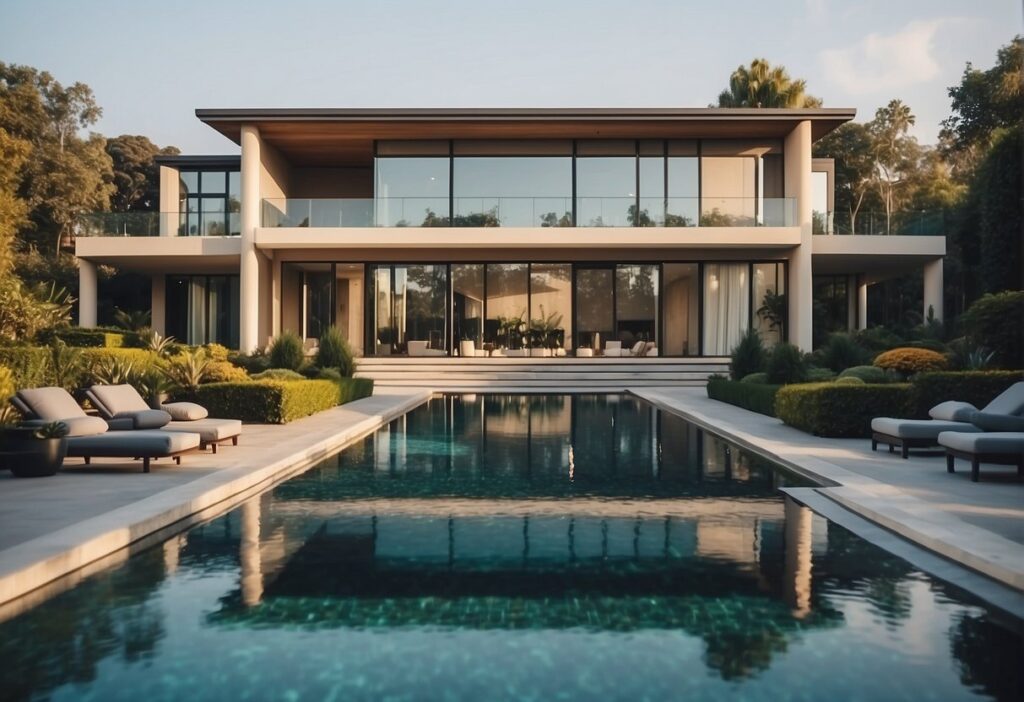
The luxury real estate market is driven by exclusivity, scarcity, and lifestyle branding. Buyers in this market are not only purchasing a home but also investing in a way of life, which includes privacy, convenience, and prestige. Selling luxury homes requires a tailored approach that addresses the personal desires of wealthy clients.
Market dynamics also differ in luxury property sales. While traditional homes are often priced by square footage and comparable sales, luxury homes depend on unique features such as architecture, location, smart technology, and designer finishes. Each home is often one-of-a-kind, requiring custom valuation and marketing strategies.
Key Strategies for Selling Luxury Homes
Crafting the Right First Impression
Luxury buyers often form their first impression within seconds of seeing a property. Professional staging, high-quality photography, and well-crafted descriptions are essential. Small details like ambient lighting, scents, and elegant décor can influence perceptions and create emotional connections.
In-person tours must feel exclusive. Offering personalized showings, private open houses, or even virtual reality tours ensures the buyer feels valued. Sellers who understand these nuances create an experience rather than just a showing.
Leveraging Technology for Effective Sales
Technology plays a crucial role in marketing luxury homes. From drone footage showcasing panoramic views to 3D virtual tours allowing international buyers to explore properties remotely, innovation enhances reach and engagement.
Social media platforms such as Instagram, YouTube, and LinkedIn also amplify exposure to a global audience. Targeted digital ads can focus on high-net-worth individuals in specific industries or regions. These strategies expand the reach far beyond local markets.
Real-World Examples of Successful Luxury Home Selling
Beverly Hills Mansion Showcasing Lifestyle
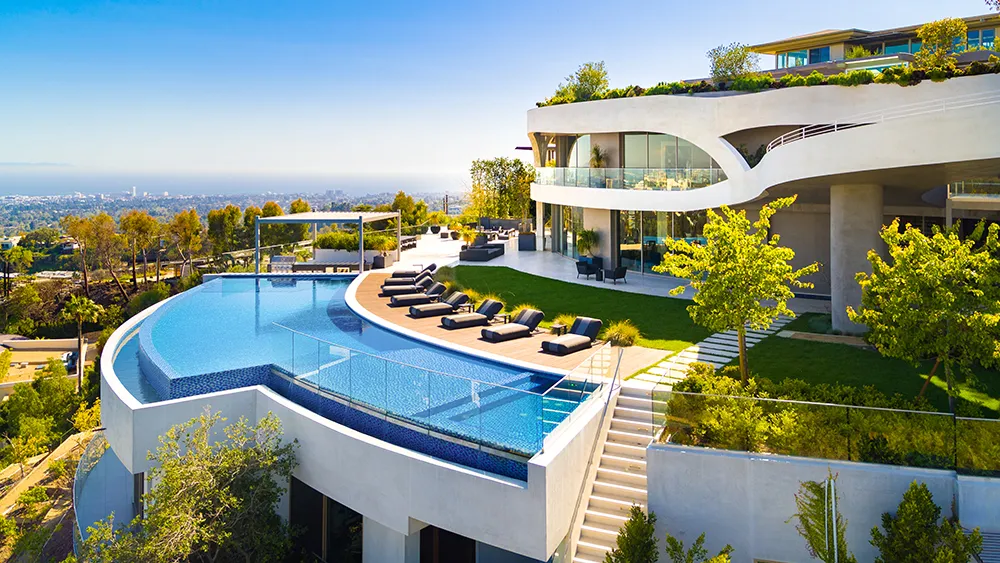
One of the most successful examples of selling luxury homes is the Beverly Hills market, where presentation is all about lifestyle. Homes are often marketed not just for their square footage but for their ability to offer cinematic views, resort-style amenities, and access to elite communities. Real estate agents in this region use high-end video tours and celebrity endorsements to attract buyers globally.
This approach highlights the importance of showcasing lifestyle as a key driver for luxury sales. The property itself is secondary to the sense of prestige and exclusivity it offers.
New York Penthouse with Smart Home Technology
In New York City, luxury penthouses often stand out by integrating advanced smart home technology. From voice-activated systems to energy-efficient automation, these features appeal to wealthy buyers who value convenience and modern living.
This example demonstrates how technological integration adds significant value and differentiates properties in a competitive luxury market. Highlighting these innovations during marketing can increase buyer interest and perceived property worth.
Miami Waterfront Estate Highlighting Outdoor Living

Miami is renowned for its luxury waterfront estates, where selling strategies emphasize outdoor living. Properties are often marketed through visuals that highlight yacht access, ocean views, and entertainment-ready outdoor spaces. Buyers in this market are drawn to the idea of year-round leisure and tropical living.
This real-world example shows the effectiveness of tailoring marketing to location-specific lifestyles. The luxury buyer in Miami expects not only a home but also a waterfront playground.
London Historic Mansion with Architectural Heritage
In London, luxury home buyers often prioritize heritage and architectural uniqueness. Properties with centuries-old history and artistic details appeal to a global audience who value culture and legacy. Marketing strategies highlight these elements through storytelling, historic significance, and timeless craftsmanship.
This case illustrates that beyond modern luxury, some buyers seek exclusivity through tradition and heritage, making unique storytelling an essential part of the sales process.
Benefits of Using Technology in Luxury Home Sales
Technology transforms how luxury homes are marketed and sold. Virtual reality, augmented reality, and immersive video tours allow international clients to experience properties from anywhere in the world. This reduces barriers, speeds up the decision-making process, and appeals to busy, high-net-worth individuals.
Additionally, digital platforms allow targeted advertising that reaches potential buyers with precision. AI-driven analytics can help real estate agents identify the right audience and personalize the experience. By integrating technology, sellers not only expand their reach but also elevate the level of sophistication expected in luxury markets.
Practical Use Cases of Selling Luxury Homes

Solving the Challenge of a Limited Buyer Pool
Luxury homes appeal to a smaller audience compared to regular properties. By leveraging global marketing and exclusive branding, sellers can connect with wealthy individuals across different regions. This helps overcome the challenge of limited local demand.
Addressing the Importance of Privacy and Exclusivity
High-net-worth individuals often value privacy and exclusivity. Luxury home selling strategies that emphasize private tours, gated communities, and discreet marketing help reassure buyers and protect their sense of security.
Showcasing Lifestyle Beyond the Property
Luxury home sales are not about four walls but the lifestyle they represent. Whether it is oceanfront living, city skylines, or heritage estates, sellers must demonstrate the aspirational lifestyle that accompanies ownership. This emotional connection can be the final deciding factor in a purchase.
Frequently Asked Questions
1. What makes selling luxury homes different from selling regular homes?
Selling luxury homes requires a tailored approach that emphasizes exclusivity, lifestyle, and presentation. Unlike standard properties, luxury homes appeal to a niche audience with unique desires, often requiring global marketing and high-end staging.
2. How does technology help in luxury home sales?
Technology such as virtual tours, drone photography, and targeted digital ads enhances visibility and reach. It allows international buyers to explore properties remotely and provides sophisticated tools that align with the expectations of affluent clients.
3. Why is lifestyle marketing important in selling luxury properties?
Luxury home buyers often prioritize the lifestyle associated with a property rather than just its physical attributes. Highlighting amenities, location, and unique experiences creates an emotional connection, making lifestyle marketing essential for closing high-value sales.